
Have you ever pulled on a glossy latex catsuit or a buttery leather harness, ready to own the room, only to have your entire vibe crash because the gear was sticky, cracked, or reeked like regret? I’ve been there more times than I’d like to admit — watching perfectly good pieces go from scene-stealers to sad thrift-store rejects. When your fetish wardrobe betrays you mid-play, it’s not just annoying; it’s expensive, embarrassing, and avoidable.I’m obsessed with gear that looks and feels made for the moment — latex that shines and hugs every curve, leather so supple it practically moans when you move. This guide shares the real, no-bull fixes I’ve learned to keep everything shiny, flexible, and scene-ready: simple post-play routines, smart storage habits, a compact travel kit, and the product picks that actually work. Read on to stop wasting money and turn your fetish pieces into the reliable investment they deserve to be.

Why your latex and leather keep turning into sad cosplay props
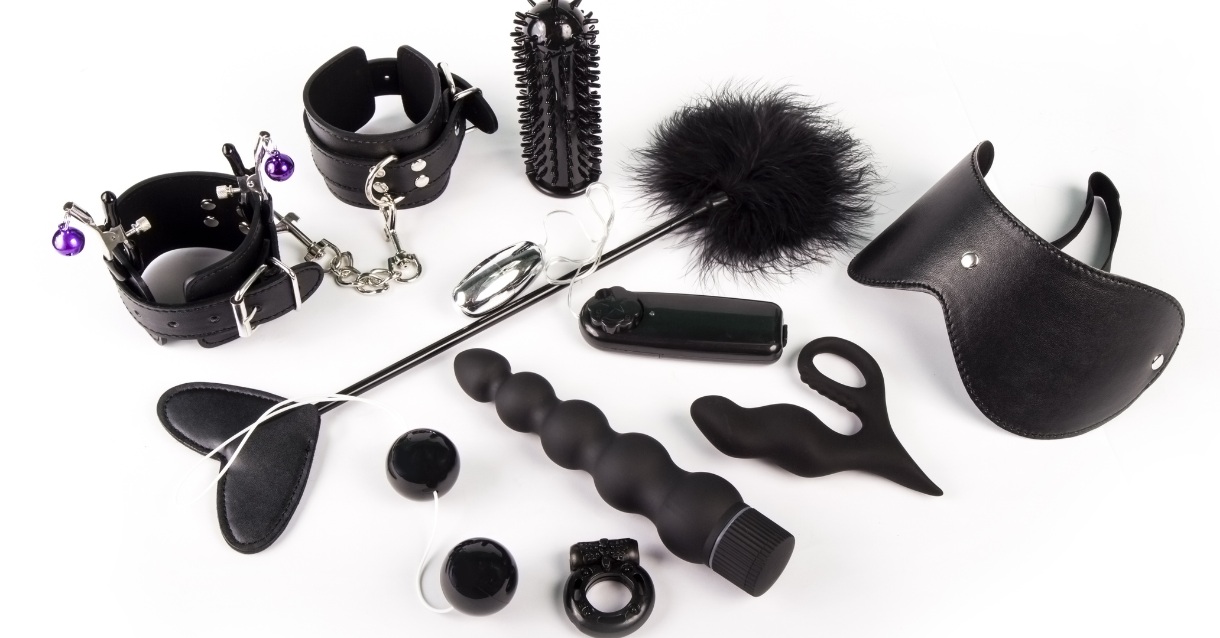 Here’s the blunt truth: latex and leather aren’t indestructible. They’re materials with needs. Ignore those needs and you’ll get:
- Sticky latex — often from oil contamination (surprisingly common), sweat buildup, or breakdown from improper cleaners.
- Cracked, dry leather — the result of skipping conditioner, drying it out, or storing it wrong.
- Funky smells and mold — caused by damp storage, sweat left to fester, or sealed plastic boxes that trap moisture.
- Faded, brittle, or sun-baked gear — sun and heat accelerate material breakdown; yes, that sexy window-sunbeam can be a silent killer.
- Sudden tears and seam failures — from rough cleaning, machine washing, or wearing with sharp nails and hardware that rubs the wrong way.
These aren’t mysterious flukes. There are real, repeatable causes — sweat, oil-based lubes, sunlight, heat, bad cleaners, and lazy storage — and they wreck gear fast. Materials science backs this up: rubber (latex) is chemically sensitive to oils and UV, and leather’s collagen fibers need moisture and oils to stay flexible. Ignore that and you’ll pay for it later.
What I’m going to do for you
I’ll give you a straight-up playbook that works. No fluff. You’ll learn:
- What latex and leather actually are and why they behave differently.
- Exact post-play cleaning rituals that won’t ruin your pieces.
- Which polishes and conditioners to buy (and which cheap garbage to avoid).
- Storage rules that stop stickiness and mold before they start.
- A travel kit checklist so your weekend away doesn’t destroy a favorite item.
- A simple routine you can turn into habit so maintenance is easy, not a chore.
Think of it as a maintenance cheat sheet that keeps your gear looking and feeling like new — and saves you money in the long run.
Who this guide is for
If you own fetish gear and actually use it, this is for you. Specifically:
- Kinksters who sweat and play hard.
- Fetish fans who invest in quality latex and leather and want it to last.
- Dominants and subs who need reliable, safe gear mid-scene.
- Sellers or collectors who resell pieces and care about resale value.
- Wardrobe obsessives who want their outfits to look pro-level every single time.
If you’ve ever regretted a purchase because it fell apart, smelled, or refused to shine, this is your lifeline.
Quick wins you can do tonight
Don’t wait to start fixing things — try these simple moves and you’ll avoid most disasters:
- Rinse latex after play: Lukewarm water rinse removes sweat and lube residue. Don’t scrub. Hang or lay flat to dry away from sun.
- Towel off leather sweat: Use a soft cloth to blot sweat zones immediately. Let it air in a shaded spot before conditioning.
- Stash talc for latex: Once dry, a light dusting of talc or cornstarch prevents sticking when storing or layering.
- Never use oil-based lubes on latex: Oil melts rubber. If an item feels weird after lube, that’s likely why.
- Check seams and nails: Before you dress, run a quick scan for rough hardware or nails that could snag a cat suit.
- Separate storage now: If your latex and leather are piled together, move them apart tonight — plastic bins and mixed storage accelerate decay.
Do these and you’ll dodge the most common tragedies: sticky catsuits, dry cracked harnesses, and gear that smells like a motel trash can.Want to know exactly what latex is and why oil and sunlight are its mortal enemies? Or how leather actually breathes and why conditioner is basically its therapy? Keep reading — I’ll explain it all and give you the real-world steps that actually work. Curious?
Know Your Kinky Fabrics: The basics of latex & leather
You can’t treat latex and leather like two flavors of the same ice cream. They look similar under dim lights and both make people melt, but chemically and mechanically they’re night and day. Learn what they are and how they behave, and you stop turning sexy investments into sad laundry-room stories.
“A well-cared-for piece is confidence you can slip into and act like you own the room.”
What latex actually is
Latex is natural rubber—thin sheets of polymer stretched into catsuits, gloves, gimp masks, and the rest. It’s all elasticity and surface tension: it hugs, it snaps, it shows every curve. That same stretchiness makes it vulnerable.
- Sensitivity to oils: Oil swells rubber. Drop coconut oil, baby oil, or any oil-based lube on latex and the polymer softens, goes tacky, and can break down. I’ve watched a $300 suit get sticky after one greasy hookup—no repair.
- Heat & sunlight: UV and warmth speed oxidation. The surface dulls, becomes brittle, or goes sticky as additives migrate. Polymer science has long documented rubber aging from UV and ozone exposure—this is not folklore.
- Abrasion & sharp points: Seams are stress concentrators. Nails, rings, buckles, and Velcro will start tiny nicks that grow into runs.
- Why shine & powder matter: Shiners (usually silicone-based) restore surface slip and give gloss. Talc or cornstarch keeps two latex layers from welding to each other in storage and prevents skin-to-latex stick mid-scene.
Leather’s nature
Leather is animal skin that’s been tanned. It breathes, it flexes, and it ages into something characterful if you treat it right. It’s forgiving in different ways from latex but has its own weak spots.
- Types that matter: Full-grain and top-grain are strong and age well; corrected or bonded leather is cheaper and far less durable. Suede/nubuck are delicate and show oils instantly.
- Tanning style: Vegetable-tanned leather dries out differently than chrome-tanned leather. Veg-tan gets stiffer and takes a patina; chrome is softer and more water-resistant but still needs conditioning.
- Needs moisture, not waterlogging: Leather relies on natural oils. Sweat, salt, and dryness steal oils and cause cracks, weak points at straps, and stiffening that ruins fit and comfort.
- Where it fails: Hardware stress points—harness straps at rivets, corset boning channels—are where neglected leather snaps under load.
Don’t treat them the same
Mixing care routines is how you end up crying over a ruined piece. Here are concrete cross-use disasters I see all the time:
- Latex polish on leather: Silicone shines can darken or leave a greasy film on leather that attracts dirt and ruins finishes.
- Leather conditioner on latex: Conditioners are oil-based or waxy—don’t put that on latex unless you want it to swell and disintegrate.
- Oil-based lube on latex: Instant enemy. Even a trace will weaken latex over time.
- Plastic sealed storage for leather: Traps humidity, encourages mold, and suffocates the hide. Latex stored in thin plastic can get plasticizer migration and go sticky.
- Shared cleaning cloths: One rag used on leather and latex transfers residues and oils—use separate microfiber for latex and cotton for leather.
Common rookie mistakes
These are the screw-ups that cost money and dignity. Don’t be that person.
- Machine-washing latex: Heat + agitation = shrinking, seam failure, and ruined finish. Hand wash only.
- Household cleaners on leather: Kitchen cleaners, bleach, alcohol wipes—these strip oils and destroy the surface finish.
- Folding latex into tight creases: Creases stress the polymer and create weak lines that become permanent. Lay flat or hang loosely.
- Storing latex and leather together: Contact transfer and trapped humidity ruin both faster than neglect.
- Wearing with unfiled nails or jewelry: One sharp scratch and you’ve got a seam failure mid-scene. Keep nails short or use a dressing buddy.
- Using oil lotions before putting something on: That hand cream will migrate and wreck latex; it will also darken suede in seconds.
I’ve seen straps pop during a scene because someone skipped conditioning. I’ve watched a glossy catsuit turn matte and sticky after a single bad wash. These aren’t anecdotes—they’re field lessons you can avoid.Want the exact, idiot-proof post-play routine that rinses sweat, strips away lube without wrecking the rubber, and catches tiny tears before they explode? Keep reading—I’ll walk you through the bathtub ritual step by step so your gear stays as dangerous-looking and dependable as you are.

Latex Cleaning 101: From bedroom to bathtub
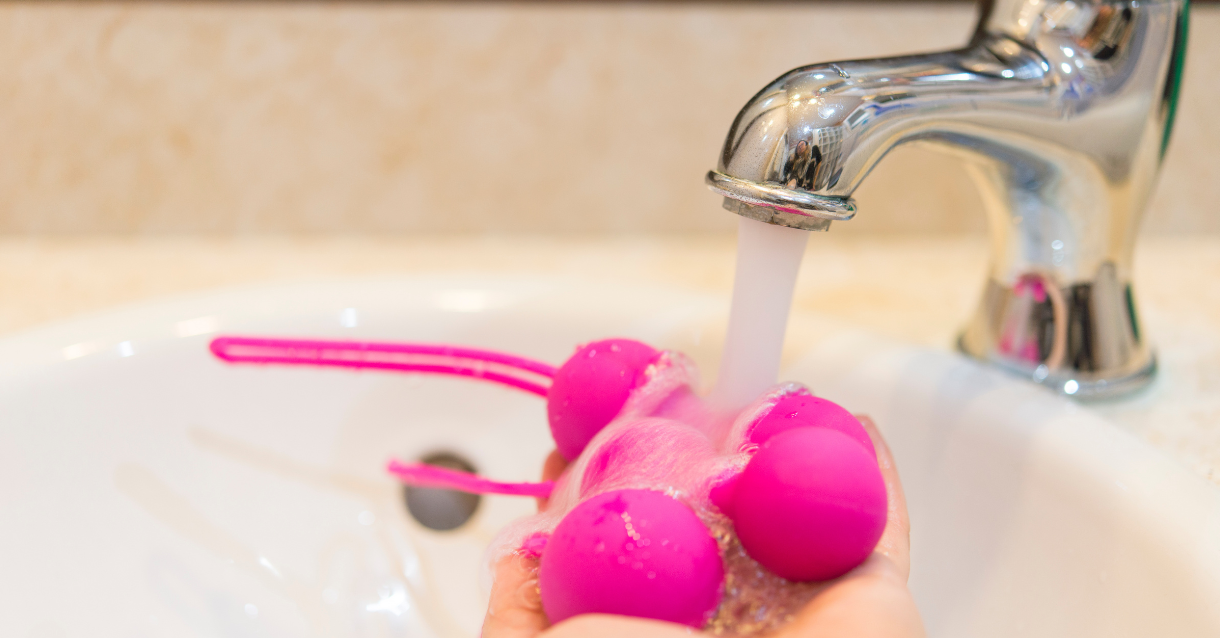 Latex is sexy, needy, and unforgiving when you treat it like gym gear. Get a two-minute ritual down and you’ll stop turning your catsuits into sticky regrets. Here’s the clean, no-bull routine I use — and the mistakes that taught me the hard way.
Post-play clean-up checklist
- Strip carefully: remove jewelry, long nails, and anything pointy before you take it off. Tiny snags happen in a second.
- Rinse off immediately: fluids and lube are the enemy of long-term gloss. Rinse under lukewarm water to wash away residues.
- Inspect seams & hardware: look for red flags — loose stitching, pinholes, zipper teeth catching. Catching damage early saves the piece.
- Dedicated tools ready: a soft microfiber towel, a bowl or tub, mild unscented soap or latex wash, a soft cloth, talc or cornstarch for later.
- Contain the mess: use a small bin for rinsing gloves, hoods, and accessories so you don’t drip lube all over your sink.
The gentle latex bath
Think spa, not scrub-down. Latex hates heat, oils, and abrasion.
- Water temperature: lukewarm only. Hot water warps and weakens rubber.
- Soap: mild, unscented, pH neutral — baby shampoo or a dedicated latex cleaner works. One capful in a tub of water is plenty.
- Hand-wash only: lay the piece in the water, gently squeeze soapy water through it for 1–3 minutes. Don’t scrub, don’t use brushes.
- Rinse thoroughly: run clean lukewarm water until there’s no slick residue left. Leftover soap can cause stickiness.
Real sample: I once tried a spray sanitizer after a heavy session — it left the latex tacky for days. Water and a gentle soap would’ve been faster and safer.
Drying without damage
- Pat, don’t wring: gently pat excess water with a microfiber towel; never twist or wring latex.
- Air correctly: lay flat on a towel or loosely hang on a wide, padded hanger. Avoid thin wire hangers that create permanent creases.
- No heat, no sun: keep away from radiators, hairdryers, and sunlight — UV and heat accelerate breakdown.
- Once fully dry: dust a light layer of talc or cornstarch inside and out to prevent sticking during storage or the next dressing.
Lube compatibility & stain tips
Wrong lube = disaster. Here’s what actually works and what kills latex fast.
- Water-based lubes: safest choice. Easy to rinse and won’t chemically attack latex.
- Oil-based lubes (baby oil, coconut oil, silicone oil blends): never use on latex. They swell and soften rubber, causing permanent failure.
- Silicone lubes: generally safe with latex condoms, but they can make garment shiners slip or leave a weird residue. Test a small spot first if you plan frequent use.
- Perfume & body oils: blot immediately with a damp cloth and mild soap. Don’t rub hard — blot and rinse.
- Tackling stubborn stains: avoid solvents like alcohol on latex. If a stain won’t budge, a specialist latex cleaner or a pro cleaner is the safer route than DIY chemistry.
Latex mistakes that kill pieces (so you don’t do them)
- Machine washing: the agitation rips seams and deforms rubber.
- Hot water or dryers: heat dries natural oils out of latex and causes micro-cracks.
- Using regular dish soap or scented detergents: ingredients and fragrances leave residues that attract dirt and make latex tacky.
- Rough towels or brushes: textured fibres abrade the finish. Stick to microfiber or soft cotton.
- Mixing with leather or plastic: chemicals can transfer and ruin finishes when items touch in storage.
“A well-kept suit is an invitation — it tells the room you care about your gear and yourself.”
Emotionally, clean gear gives you confidence. You don’t have to worry about stains, embarrassing smells, or a suit that clings in the wrong way. That calm lets you focus on the scene — not on whether the zipper is about to snap.Want to make that catsuit gleam like it’s wet every time you walk in? Next up I’ll show you how to polish without turning your latex into a slip hazard — and which products actually last instead of looking good for one night only. Ready to learn the secret shine technique?
Making Latex Shine Like Your Insta Pics
There’s a rush that comes when you catch your reflection and the rubber is gleaming like chrome — it’s almost erotic. That mirror finish doesn’t happen by accident. It’s a mix of the right product, the right touch, and a little patience. Do it right and your suit will pop in photos and command the room. Do it wrong and you’ll be wiping smears while everyone wonders why your outfit looks tired.
“A little shine tells the world you respect what you wear — and how you wear it.”
Choosing the right shiner
Keep it simple: use silicone-based shiners made specifically for latex. Silicone creates a thin, flexible, water‑repellent film that reflects light without breaking down the rubber. Avoid natural oils (coconut, baby oil), petroleum jelly, or heavy waxes — they make latex greasy, attract dust, and can permanently damage the material.
- Look for ingredients like dimethicone or cyclomethicone — they spread evenly and evaporate cleanly.
- Avoid mineral oil, petrolatum, lanolin, and solvent-heavy sprays.
- Products I see work well: Vivishine-style silicone shiners, BeGloss-type latex polishes, and salon-grade silicone sprays labeled safe for rubber. Always test a small hidden spot first.
Application technique
Think slow and local, not spray-and-run. Here’s a step-by-step that I use on everything from full catsuits to gloves:
- Make sure the piece is completely dry and free of dust or talc.
- Work in sections. For a catsuit, divide into legs, torso, arms, hood. For gloves or masks, treat small areas at a time.
- Use clean hands or a microfiber cloth. Nitrile gloves are great if you don’t want fingerprints.
- Apply a small amount of shiner — a few drops for a sleeve, one pump for a leg — and spread evenly with long, gentle strokes.
- Buff with a soft microfiber until you get the mirror finish you want. Less is usually more; you can always add another thin layer.
- Avoid seams, zippers, and inner-crotch areas where product can collect or make zips sticky.
For tiny pieces (wrist cuffs, hoods, masks) put the product on the cloth, not directly on the item. That gives you more control and prevents over-application.
Don’t overdo it
Too much shiner looks like greased latex instead of glossy latex. Warning signs you’ve gone too far:
- Surface feels slippery or slick — not firm gloss but a wet, greasy feel.
- Beads or streaks of product pool in seams or folds.
- Product transfers to furniture or light-colored fabric when you sit down.
- Attracts visible dust and lint like a magnet.
If that happens, don’t panic. Rinse the area in lukewarm water with a mild, unscented soap or a latex-safe cleaner and gently wipe with a microfiber cloth. Rinse again, let dry, then reapply the proper amount. For stubborn transfer on upholstery, blot immediately with a damp cloth and a small amount of mild soap; test first in an invisible spot.
Re-polish schedule & troubleshooting
How often you shine depends on use:
- Occasional wear: Light re-polish after each wear or before major photo sessions — usually every 2–4 wears.
- Regular/scene use: Reapply a light coat after every wash and touch up before each outing.
- Storage touch: A very light coat before storing keeps the surface conditioned and makes the next polish easier.
Common problems and quick fixes:
- Uneven sheen: Wipe with a damp microfiber to remove residue, dry, then reapply in thin layers.
- Sticky patches after polishing: Usually excess product or incompatible cleaner — wash with mild soap and water, dry fully, dust with talc if needed, then use a different shiner.
- Product transfer to fabrics: Let the shiner cure fully (give it 10–20 minutes), avoid heavy application where rubber contacts upholstery, or use protective covers on seats.
Small tip: if you’re doing a shoot and want insane gloss without long-term buildup, do a final light buff on-site rather than slathering product on the night before.Want to know how to save that leather harness you love just as much — how to clean sweat, remove that funk, and bring straps back to life? Next up: I’ll show the exact step-by-step routine that turns tired leather into buttery, durable gear. Ready to rescue a cracked strap?
Leather Cleaning: Keep it tough, soft, and stylish
Leather loves attention. Give it none and it dries out, cracks, and stinks like last week’s regret. Give it the right five minutes and it comes back smooth, strong, and ready for whatever you throw at it. Below I give you the no‑nonsense, real-world steps for harnesses, corsets, boots and straps — the stuff that survives scenes and looks like a dream.
“Leather remembers every touch. Treat it like a lover you want to keep.” — true story
Gentle cleaning steps
- Strip and inspect. Remove detachable hardware, inserts, or liners. Check seams, stitching and hardware for wear before you touch the leather — you don’t want cleaning to make a weak spot worse.
- Brush or wipe first. Use a soft brush or a dry microfiber to remove dust, salt and grit. Dirt left on the surface acts like sandpaper during cleaning.
- Spot-test any product. Pick an invisible corner. Wait 10–15 minutes. If color or finish changes, don’t use it.
- Use saddle soap or a pH‑safe leather cleaner. Apply a small amount to a damp microfiber or cotton pad. Work in small circular motions on sweaty zones (neck straps, waistband, underarm panels). Don’t soak the leather — it needs moisture, not a bath.
- Wipe off residue. Use a clean, slightly damp cloth to remove soap/lifted grime. Finish with a dry cloth and let air dry in the shade — never direct sunlight or a heater.
- Let it rest. After cleaning, leather prefers to sit 24 hours before conditioning. That gives moisture levels a chance to normalize.
Products I trust: a mild saddle soap (e.g., Fiebing’s very sparingly), or a dedicated leather cleaner like Lexol. Use small amounts; a little goes a long way.
Removing tough smells
Smells come from bacteria, sweat salts and trapped moisture. Here’s how to neutralize them without nuking the leather.
- Air it out. Hang boots and harnesses outside in the shade on a breezy day. Fresh air does more than any spray.
- Baking soda sachets. For boots and small bags: put 1/4 cup baking soda in a breathable cloth pouch or old sock. Tuck it in overnight (24–48 hrs for bad cases). Baking soda absorbs odors without chemicals.
- Activated charcoal. Charcoal sachets are a stronger option for persistent funk. They’re reusable and won’t wet the leather.
- Vinegar dilution for stubborn biological smells. Mix 1 part white vinegar to 4 parts water, spot-test, then lightly dab the smelly area. Vinegar disinfects and neutralizes odor molecules; the vinegar smell fades as it dries. Don’t soak the leather.
- Avoid sprays like Febreze. Those maskers coat leather with chemicals that change the finish and trap moisture — they make long‑term problems, even if they smell pretty for a day.
Quick science note: odor-causing bacteria thrive in damp, salty environments. Simple moisture control plus a neutralizer (baking soda/charcoal) is usually all you need. Sports-equipment research backs this: removing moisture and using adsorbents reduces microbial odors more effectively than fragrance sprays.
What NOT to use
- Bleach or ammonia-based cleaners. They strip dyes and break down the collagen fibers — irreversible damage.
- Alcohol wipes or strong solvents (acetone, paint thinners). These dry and harden leather, leading to cracking and color loss.
- Household degreasers or multipurpose cleaners. They’re too alkaline or contain surfactants that remove the leather’s natural oils.
- Cooking oils, olive oil, coconut oil. They darken, gum up and attract dirt over time. They feel like a fix at first and then ruin the finish.
- Direct heat, hair dryers, or sunlight. Rapid drying shrinks and hardens leather, causing tension on seams and straps.
Spot treatments & quick fixes
- Scuffs. Light scuffs: rub gently with a soft cloth and a small dab of conditioner (test first). Deeper scuffs: use a colored leather balm or dye stick matching the piece.
- Salt stains from sweat or winter roads. Brush off dried salt. Wipe with a damp cloth, then a 1:4 vinegar solution if needed. Dry and condition.
- Sticky residue (tape, spilled lube). Gently lift with a plastic scraper or dull edge. Clean with saddle soap and a damp cloth. If residue persists, a tiny bit of citrus-based leather cleaner (spot-tested) can work — but don’t overdo it.
- Gum or wax. Freeze with an ice pack in a bag, then carefully pry off and clean the spot with saddle soap.
- Mold or mildew (light cases). Brush outdoors to remove spores. Wipe with the vinegar dilution (1:4), dry in the shade, then condition. If the mold is heavy or embedded, get a pro; trying to scrub it out can ruin finish and spread spores.
If a fix feels risky or the piece is expensive, get a pro leather restorer involved. You can salvage a lot at home, but sometimes a bad DIY will cost more than a repair bill.Want to keep straps from snapping mid‑scene and make those boots feel like they did the day you bought them? I’ll show the exact conditioning routine — how often, how much, and which products actually work — up next. Ready to make leather that never lets you down?

Conditioner: Leather’s Best Friend (Besides You)
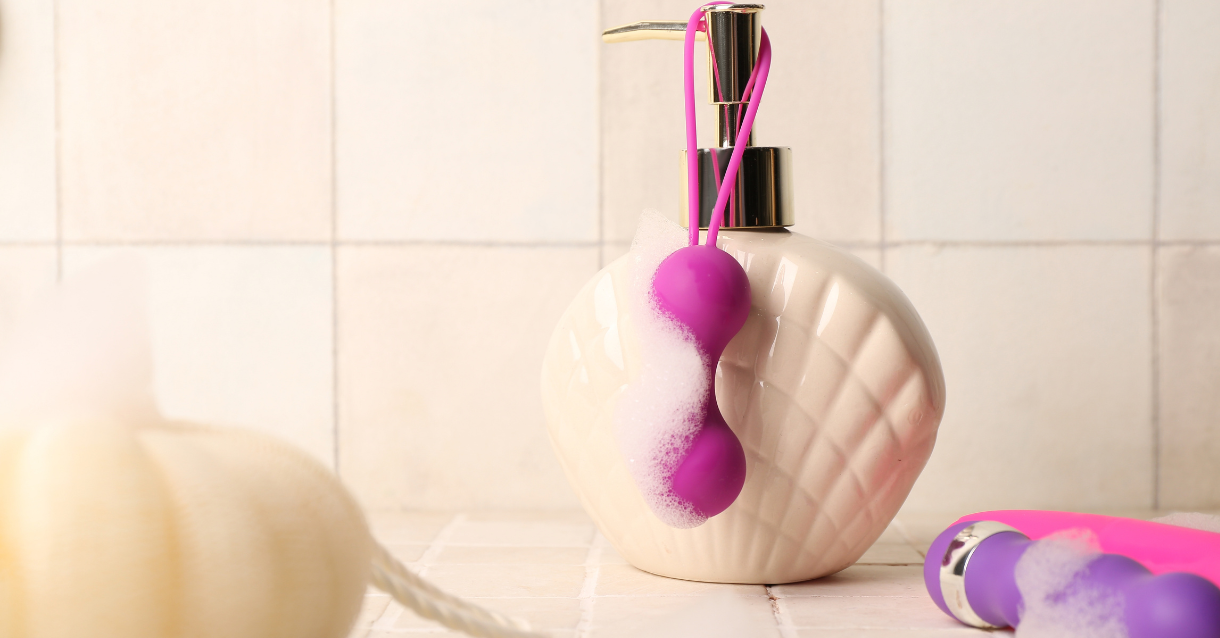 There’s nothing sexier than leather that moves with you — not against you. Conditioning is the single maintenance habit that prevents straps from snapping, corsets from becoming rigid torture devices, and boots from turning into sad, cracked relics you can’t wear. I treat conditioning like flossing: boring to start, but once it’s a habit you avoid a world of pain.
“Leather that’s been loved and fed looks alive. Leather that’s been ignored looks dead.”
How often to condition
Frequency depends on use, climate, and the tannage (how the leather was treated at the factory). Here’s the real-life schedule I follow — tweak it to your sweat level and local weather:
- Regular rotation gear (you wear monthly or in play often): once a month.
- Stored or occasional pieces (jackets, backup harnesses): every 2–3 months.
- Heavy-sweat scenarios (lots of play, hot rooms, outdoor scenes): every 2–4 weeks, especially on sweat-contact zones and straps.
- Dry climates or heated apartments: nudge toward the shorter end — dry air steals oils faster.
Little, often, wins. Over-conditioning creates a greasy surface that attracts dirt; under-conditioning creates cracks. The right balance keeps leather flexible and strong.
Choosing a conditioner
Not all leather conditioners are created equal. Look for these signs before you drop cash:
- Formulated for garment leather: products made for jackets, harnesses, and saddlery are gentler than heavy boot oils.
- pH-safe and non-acidic: museum conservators (check sources like the Canadian Conservation Institute for leather care basics) recommend neutral, non-aggressive formulas that won’t break down finishes.
- Non-greasy, non-darkening: if the product claims “deep penetrating oil” think boots — that can darken or soften thin fashion leather.
- Tested, readable ingredients: avoid mystery solvents, heavy petroleum distillates, or straight neatsfoot oil on delicate pieces.
Brands I’ve trusted on different pieces (always patch-test first):
- Bickmore BICK 4 — light, non-darkening, good for jackets and finished leather.
- Lexol Leather Conditioner — commonly used on garments and auto interiors; predictable and mild.
- Chamberlain’s Leather Milk — gentle, pleasant, good for clothing-grade leather.
- Leather Honey — deep conditioner; use sparingly and only on thicker, unfinished or heavy-duty items.
Products to avoid for thin, finished fetish leather: mink oil, heavy neatsfoot oil, generic greases, and any product that advertises heavy waterproofing for work boots. They can soften and darken thin straps and break down factory finishes.
How to apply
Think massage, not lobotomy. Here’s the step-by-step I live by:
- Start with a clean surface. Wipe off dust and sweat with a damp microfiber cloth and let leather dry completely.
- Punch a hole test: apply a tiny amount in an inconspicuous spot (inside strap, hem) and wait an hour to check for darkening or damage.
- Use a small amount — a pea-sized dab for a harness strap, a nickel-sized for a jacket panel. Too much = sticky trouble.
- Work the conditioner in with a soft, lint-free cloth or your fingers in small circular motions. Get the edges, the inside of straps, and under buckles. Don’t forget the backing or inner fold.
- Let it rest 10–30 minutes so oils absorb. Wipe any excess with a clean cloth — you want supple, not slick.
- Buff lightly with a second dry cloth if the finish needs a soft glow.
For areas that see the most stress — strap holes, edges, buckle points — add a tiny extra touch. Those spots often give out first.
What happens if you skip it
Skip conditioning and leather ages fast. You’ll see it in ways that are ugly and dangerous:
- Cracking and stiff seams: once fibers lose oils they splinter. That’s a cosmetic fail and a structural one — straps can snap under load.
- Edge fraying and hole tear-out: dry edges don’t flex; they tear. A harness that looked fine last month can fail during a scene.
- Reduced lifespan and resale value: conditioned leather holds value. Neglected leather becomes landfill fodder.
- Trapped odor: dry leather absorbs sweat and smells; properly oiled leather resists holding odor as much.
I’ve seen expensive pieces go from museum-worthy to trash in a single year because someone treated conditioner like an optional accessory. Don’t be that person.
Quick troubleshooting
- Leather feels sticky after conditioning: you used too much. Wipe excess off, let air, then buff.
- Darkening after product test: that conditioner isn’t for this leather. Use it only on heavy, unfinished pieces or switch to a milder formula.
- Stiff patches remain: repeat a light conditioning — sometimes older leather drinks product slowly. Don’t pump it full in one go.
Conditioning isn’t rocket science. It’s devotion. Feed your leather in small, regular doses and it’ll repay you with years of comfort and look — and fewer mid-scene disasters.Want the storage setup that makes your conditioner work harder and last longer? I’ll show the exact closet rules, travel hacks, and separation tricks you need next — including how to pack a leather jacket without creases and how to keep latex and leather from ruining each other. Ready to lock that in?
Storage Smarts: How, where, and what to avoid
I want your gear to feel like an extension of you — not a sad, sticky reminder of last weekend’s mistakes. Storage is where most of the slow, silent destruction happens. You can clean perfectly and condition religiously, but if you shove latex and leather in the same damp tub or a sunlit closet, you’re betting against physics and losing. I’ll keep this tight and practical so you can stop wasting money and start wearing your favorites with confidence.
“Stuff left in bad places ages like people who never shower — fast and regrettably.”
Latex storage specifics
Latex hates heat, sunlight, oils, and tight creases. Treat it like fragile performance art.
- Cool, dark, low-humidity spot: Ideal is a closet away from windows. Direct sunlight and heat lamps will yellow and weaken latex. UV and heat accelerate rubber degradation — material testing shows elastomers break down much faster with UV exposure.
- Flat or loosely hung: For catsuits, lay flat folded as little as possible or hang on wide, padded hangers. Thin wire hangers dig in and create permanent creases.
- Use breathable covers: Store in cotton or muslin garment bags or wrap between cotton sheets. Avoid long-term storage in plastic sealed bags — trapped moisture and off-gassing from plastics can be bad news.
- Talc or cornstarch: Light dusting after the piece is 100% dry prevents sticking. Use a cosmetic-grade talc or plain cornstarch — a little goes a long way.
- Separate from metals and dyes: Don’t store with metal hardware touching unprotected latex; rust and dye transfer will stain and eat at it.
Leather storage specifics
Leather wants air, stable temperature, and a little love. It’s skin — it breathes and ages. Treat it like the high-maintenance, gorgeous material it is.
- Breathable garment bags: Cotton or canvas bags are ideal. Sealed plastics trap humidity and encourage mold.
- Padded hangers for jackets and corsets: Use wide, contoured hangers to keep shape. For corsets, store flat when possible to avoid warping boning.
- Avoid tight folding: Folding creates stress lines and cracks. If you must fold, stuff the item to keep shape and minimize sharp creases.
- Cool, dry space with airflow: Mold grows when humidity remains high — generally a problem above ~60% relative humidity. If your closet feels damp, add airflow or a desiccant (silica gel packets) but never seal leather into an airtight plastic box long-term.
- Protect from oils and dyes: Keep leather away from fresh-dyed fabrics; dye transfer is a bitch to remove.
Keep them separated
Never, ever store latex and leather together long-term. That’s how you get color bleed, sticky nightmares, and surprise ruin. They have opposing needs: latex likes talc and darkness; leather likes breathable air and conditioner — mixing them is asking for drama.
- Separate zones: If you have a closet, dedicate shelves/bags: one for all latex, one for all leather. If you live small, use clearly labeled cotton bags stacked separately.
- Separate tools: Have one microfiber cloth set for latex shiners and another set for leather conditioner. Cross-contamination of products (silicone-based shiner on leather, oil-based conditioner on latex) ruins both.
- Space-saving option: When storage is tight, put latex in individual cloth pouches and keep leather on hangers in a different part of the room — even a linen drawer is better than cramming both together.
Travel & quick-access kit
Trips don’t have to be a gear disaster. Pack smart and you’ll land without wrinkled latex or stiff leather.
- Latex travel tips: Lightly talc the inside if you’ll be wearing it on the trip; fold as little as possible and put between two flat cotton layers. A soft-sided travel case or padded garment sleeve works great.
- Leather travel tips: Use a padded hanger/bag for jackets; stuff boots/boots with socks to hold shape. Small tin of conditioner in checked luggage (or carry-on if allowed) helps if things dry out.
- Grab-and-go maintenance kit:
- small pouch of cosmetic talc or cornstarch
- mini silicone shiner in a leakproof bottle
- microfiber cloth (2)
- travel-size leather conditioner
- nitrile gloves (for dressing/application)
- silica gel packets and a small zippered cotton bag
- Short-term plastic use: For a single night’s travel, sealing latex in a ziplock inside a cotton bag is fine — just don’t make that your long-term habit. Leather should never be sealed for long.
The quick-buy list (what I keep on hand)
- cotton/muslin garment bags (multiple sizes)
- wide, padded hangers and a couple of specialty corset boards
- cosmetic talc or plain cornstarch
- quality silicone shiner in both full and travel sizes
- microfiber cloths (color-coded)
- pH-safe leather conditioner (small tin for travel)
- nitrile gloves
- silica gel packets and baking soda sachets for odor control
- small soft-sided travel case or padded garment sleeve
Storage isn’t glamorous, but it’s the difference between showing up looking like a headline act and showing up with a story about why your catsuit melted in the closet. You want the first — I want you to look the part.Want the routine that turns these storage rules into a lazy-easy habit so your gear stays flawless without thinking twice? I’ll give you a step-by-step maintenance schedule next — including the one weekly move that prevents 90% of disasters. Ready to stop babysitting your wardrobe and start enjoying it?

Long-Term Love: Make your gear last for years
Look, you didn’t spend money on gear to let it rot in a corner. If you want your latex to shine like a showroom and your leather to stay soft and strong, maintenance can’t be a one-night stand — it needs to be a steady relationship. I keep it simple, fast, and frankly sexy, so you can get back to the important stuff.
Build it into your routine
Make care a habit, not a chore. Here’s the bare minimum I swear by:
- Five-minute post-play habit: quick rinse or wipe, hang or lay flat, talc if needed, and return to the closet. Do that immediately and you prevent 90% of future drama.
- Weekly check: glance over seams, zips, and straps. Fix or flag anything weird so small problems don’t turn into a meltdown mid-scene.
- Monthly deep care: one item gets a proper wash and polish or conditioning. Rotate through your closet so everything gets attention.
- Calendar cues: set reminders on your phone or calendar. I use a recurring monthly alert labeled “Gear date” — nobody argues with a calendar.
These tiny rituals take less time than an episode of your favorite show and save you hundreds in replacements. Consistency beats emergency panic every single time.
Your go-bag (maintenance kit)
Keep a compact kit next to your closet. Pull it out after play and you’re done in minutes. My grab-and-go bag includes:
- Microfiber cloths (2–3): gentle, lint-free, for drying and buffing
- Small bottle of latex-safe wash or mild unscented soap
- Silicone-based shiner (travel size)
- Light talc or cornstarch (in a shaker)
- Leather conditioner (small tin or travel bottle)
- Spare breathable garment bags or cotton pillowcases
- Nitrile gloves for handling cleaners or repairs
- Soft nylon brush or toothbrush for creases
- Zip-lock with spare zippers/fasteners or safety pins for emergency fixes
Store this near your gear. When I travel, I toss the small kit into my carry-on — problems on the road are the worst mood-killers.
Common pitfalls & how to recover
Mistakes happen. Here’s a calm, actionable triage for the usual disasters so you can salvage what’s saveable and know when something is irretrievable.
- Sticky latex (tacky after storage or shiner build-up)
- Rinse with lukewarm water and a latex-safe soap. Gently rub with a microfiber cloth to remove residue.
- If tackiness is from over-applied shiner, wash twice. Let air-dry completely, then dust very lightly with talc/cornstarch to neutralize any remaining stickiness.
- If it stays gummy after proper cleaning, the latex may be chemically degraded — quarantine it and consider using it only as a display piece. Severe breakdown is usually irreversible.
- Mild mold or mildew on leather
- Take it outside to brush off spores with a soft brush.
- Spot-test and then wipe with a 50/50 water + white vinegar solution on an inconspicuous area. Don’t soak it — wipe and dry immediately.
- Air in shade until fully dry, then apply leather conditioner. If mold keeps returning, improve ventilation and storage humidity control.
- Small leather cracks or stiffness
- Clean the area gently, then apply a generous leather conditioner and massage it into the cracks.
- Repeat over several days; some creases respond slowly as the leather reabsorbs oils and regains flexibility.
- Deep cracks might need a leather restorer or cobbler — cheap fixes rarely last.
- Stains from the wrong lube or spilled oil
- For latex: oil-based lubes are the enemy. If oil got on it, it’s best to isolate and clean with latex-safe wash immediately; sometimes the damage is permanent.
- For leather: blot, don’t rub. Spot-treat with a mild leather cleaner and follow with conditioner.
If you’re ever unsure, pause. Panic treatments — strong solvents, bleach, or heat — usually make things worse. When in doubt, quarantine the item and ask a pro or reach out to me (I’ve seen the worst, and I’ve saved a surprising amount).
Final thoughts & next steps
Look after your gear like it’s a partner — because it pretty much is. Regular, tiny acts of care give you years of confidence, sexiness, and fewer wardrobe emergencies. The routine I laid out takes minutes, not hours, and pays off every time you step out in something that looks and feels perfect.
Respect your gear, make maintenance sexy, and treat your wardrobe like the VIP backstage pass it is.
Don’t wait until something breaks. Pick one piece right now — a harness, a catsuit, a favorite pair of boots — and run the five-minute post-play routine tonight. I guarantee you’ll notice the difference next time you put it on.Want more gear picks, reviews, and resources? Swing by the main PornDude directory — I list gear-friendly vendors, cleaners, and other toys you’ll love.Now get out there, look after your kit, and keep being dangerously well-dressed.