
Libido disappearing overnight sucks, and that sting of dryness, pain, or zero spark can feel like a betrayal. One day you’re tearing the sheets apart like a wild animal, the next your body’s doing weird stuff and you’re thinking, “Is this it now?” Nope. That’s menopause throwing hormonal curveballs at your sex life — but it isn’t the boss. If your sex drive’s flatter, your parts are drier, or sex actually hurts now, you’re not broken. You’re changing, and the good news is there are fast, no-nonsense fixes that bring real comfort: the right lube, weekly moisturizers, and positions that cut friction.There are also practical medical tools that restore tissue and kill pain — things like low-dose local estrogen and pelvic-floor therapy — plus sensible options for stubborn low desire when you need them. None of it’s woo; it’s just stuff that actually works. Stop pretending you have to suffer or reinvent your whole identity. Get the quick wins, learn what to ask for at the clinic, and rebuild a sex life that’s confident, comfortable, and genuinely hot again — the kind your future self might even brag about.

Why menopause messes with your sex life
 Let’s be blunt: menopause changes the plumbing and the wiring. Hormones shift, tissues change, and the result is a handful of very real, very annoying problems that mess with desire and comfort. Here’s what people actually face, in plain terms:
- Vaginal dryness and thinning. Lower estrogen means less natural lubrication and thinner vaginal tissue — friction can suddenly hurt where it never did before.
- Pain during sex (dyspareunia). Microtears, inflammation, or tense pelvic floor muscles make intercourse painful or uncomfortable.
- Lower spontaneous desire. Less testosterone and changing neurochemistry can reduce those “out of the blue” urges — not your whole sex life, just the spontaneous spark.
- Body and energy changes. Weight shifts, joint pain, sleep loss and mood swings all change how you feel about sex and your body.
These aren’t excuses — they’re reasons. And most of them are workable. Studies and clinical guidelines consistently show that things like vaginal moisturizers, local estrogen therapy, simple lubrication, pelvic floor therapy, and communication strategies relieve the biggest complaints for many people.
You’re not broken — solutions are real
Look, I’ve seen people panic and assume the worst. That’s drama; unnecessary drama. There are fast comfort fixes and longer-term strategies. Use both.
- Immediate relief: Use the right lube (silicone for marathon sessions, water-based for toys/condoms), try an intimate moisturizer weekly, and pick positions that reduce pressure and friction.
- Short-term medical help: Vaginal estrogen (cream, ring, or tablet) often restores tissue health and reduces pain — it’s local, low-dose, and many people feel a big difference within weeks.
- Therapy and pelvic floor work: Pelvic floor physical therapy fixes hypertonicity and pain. Sex therapy helps with desire, communication, and rekindling intimacy.
- Longer-term options: For stubborn low desire, endocrinology and menopause specialists can discuss testosterone therapy or other meds where appropriate.
These are real, evidence-backed options — not woo. If lubrication and positions don’t cut it, that’s your cue to see a clinician who actually listens.
What to expect vs. what’s fixable
Quick cheat-sheet: symptoms you might notice and how solvable they usually are.
- Vaginal dryness — Very fixable. Lube + moisturizers + local estrogen usually do the trick.
- Pain with penetration — Often fixable. Try more lubrication, different positions, pelvic floor therapy, and medical evaluation for vaginal atrophy.
- Lower spontaneous desire — Partly fixable. Behavioral tools (planned intimacy, rituals), relationship work, and sometimes hormonal treatment help a lot.
- Sleep loss / night sweats impacting sex — Manageable. Improve sleep hygiene, cool the bedroom, treat vasomotor symptoms; libido often follows better rest.
- Med-related low libido — Often fixable. Talk to your prescriber about alternatives or dose adjustments.
- Deep relationship strain — Requires work. Communication upgrades and sex therapy help mend attraction and closeness.
Bottom line: most of what ruins sex during menopause is treatable. Some things take time and teamwork — but they respond. You don’t have to accept a joyless bedroom as your fate.Want to actually understand the mechanics — what estrogen and testosterone are doing to tissues, blood flow, and nerve sensitivity — so the whole thing stops feeling mysterious? In the next section I’ll break it down in plain language and show why those fixes I mentioned actually work. Ready to see what’s happening downstairs?
Hormones & the body: What’s actually changing downstairs
Let’s be real: menopause rewires the plumbing. Your hormones aren’t just numbers on a lab sheet — they run blood flow, lubrication, tissue thickness, and nerve sensitivity in the parts you care about when the lights go down. If sex suddenly hurts, feels dull, or just doesn’t start itself anymore, it’s usually biology talking, not punishment.
“Your body isn’t betraying you — it’s changing language. Learn the new words and you’ll still get what you want.”
Estrogen drop = dryness and thinner tissues
Estrogen keeps the vaginal lining plump, elastic, and well-lubricated. When levels fall, that lining thins, the surface loses its natural moisture, and the whole area gets less blood flow and less engorgement. Translation: what used to glide now rubs. That friction creates microtears, inflammation, and sometimes bleeding — all reasons sex can suddenly become painful.Here’s what that looks like in real life:
- Dryness: intercourse or even pelvic exams can feel abrasive.
- Thinner tissue: less cushion and elasticity — positions that used to feel great might pinch.
- Microtears and irritation: increase the chance of infection and make sex painful or spotty.
- Lower blood flow: less clitoral and vulvar swelling, so arousal signals from the body can look muted even if your brain is interested.
It’s common — many people notice these changes during perimenopause and after. Clinical trials consistently show that local (vaginal) estrogen improves tissue thickness, reduces dryness, and lowers pain during sex — without the systemic effects some people worry about. That’s why topical treatments often get recommended before anything heavier.
Testosterone, desire, and libido shifts
Want to blame hormones for a flat sex drive? Testosterone plays a big role in spontaneous desire. As levels drop, you’ll probably notice fewer “I want it now” moments. But here’s the key: reduced spontaneous desire doesn’t mean your capacity for intense desire or orgasm is gone.Think of testosterone like the volume knob for automatic urge. Turn it down and the jukebox doesn’t play as often — but you can still press play. Clinical studies show that, for some postmenopausal people, carefully monitored testosterone therapy can increase sexual desire and frequency of satisfying encounters. It isn’t a magic bullet, and it’s not for everyone, but it’s a legit option to discuss with a clinician.Practical examples:
- If you used to want sex unexpectedly and now you don’t, that’s probably the testosterone dip.
- If desire still sparks during flirtation, touch, or mental arousal, your system is working — it just needs different triggers and maybe a volume adjustment.
- Targeted treatments and behavior changes (planned sex, more foreplay, erotics) can restore frequency and intensity.
Other physical changes to watch
Hormones aren’t the only culprits. A bunch of body changes around menopause alter how sex feels — and knowing them helps you adapt instead of panic.
- Pelvic floor changes: Some folks get tight, overworked pelvic floor muscles that make penetration painful. Others experience weakness that changes orgasm sensation. Pelvic floor physical therapy can re-train the muscles in both directions.
- Joint pain and stiffness: Osteoarthritis and general aches make certain positions unbearable. Small position tweaks and timing sex for low-pain times help a lot.
- Weight shifts and body composition: A different shape changes mechanics and comfort. You may need to experiment with angles and supports (pillows are underrated).
- Energy levels: Fatigue kills libido faster than anything else. If you’re wiped, even desire won’t get past the couch.
- Sensory changes: Some people report decreased genital sensitivity; others find certain spots are more tender. That’s normal — it just calls for re-mapping pleasure zones.
Quick real-world fix examples: if penetration pinches the front wall, try positions that change the angle (you-on-top, spooning, or edge-of-bed). If arousal is slow, double the foreplay and use lubricant generously. If pelvic floor tension makes things tight, book a few sessions with a pelvic PT instead of powering through pain.Hormones changed the hardware. The good news? Hardware can be upgraded, tuned, and worked around. Want to know how your head — sleep, mood, and stress — pulls the plug on desire and what to do about it? In the next part I’ll show the real ways insomnia and anxiety steal your sex drive and the fixes that actually work. Ready to see how your brain hijacks the bedroom?

Brain, mood, and sleep: Why your head can kill your libido
You can have perfectly working plumbing downstairs and still be totally uninterested in sex — because your brain is where desire either lights up or gets stomped out. Sleep loss, night sweats, anxiety, and the crushing mental load of life do more to your libido than any hormone chart alone. These aren’t excuses. They’re honest, fixable reasons your body won’t play along, and if you ignore them you’ll waste time blaming the wrong things.
“Desire lives in the intersection of body and mind — mess with the mind and the body checks out.”

Sleep and night sweats: the stealthy libido killers
Bad sleep is the invisible assassin of sex drive. When you’re exhausted, your brain won’t bother firing the circuits that make you want sex. Sleep fragmentation and hot flashes also tank mood and lower circulating testosterone — yes, even in people assigned female at birth, testosterone helps sexual desire — and research links short or poor sleep to reduced libido and worse sexual function.Real fixes that actually work (tried-and-true, not woo):
- Cool the room and your sheets. A fan, breathable cotton, or cooling sheets can cut night-sweat awakenings in half. Small change, big payoff.
- Time sex for when you’re rested. If mornings are the only time you feel remotely alive, plan intimate time then. Yes, planned sex can be hot if you sell it right.
- Sleep hygiene, not just vibes. Same bedtime every night, no screens 60–90 minutes before bed, avoid heavy late alcohol and late caffeine. It matters.
- Short naps are your friend. A 20–30 minute nap can reset energy and mood without wrecking nighttime sleep.
- Talk to your doc about night-sweat options. Sometimes lower-dose hormone therapy or non-hormonal meds dramatically reduce the awakenings killing your interest.
If you want the nerd version: multiple sleep studies show restricted sleep lowers testosterone and mood, which map directly onto lower sexual desire. So don’t romanticize exhaustion — fix it.
SSRIs and meds: are they muting your desire?
Antidepressants, blood pressure meds, antihistamines, even some pain meds — a lot of commonly prescribed drugs blunt sexual desire or make orgasm harder. SSRIs in particular are famous for this. A big chunk of people on these meds report lower libido, delayed orgasm, or no orgasm at all.How to handle it without acting like a drama llama:
- Don’t stop meds cold turkey. That’s dangerous. Instead, bring this exact question to your prescriber: “Could my medication be affecting libido, and are there alternatives or adjustments?”
- Ask about alternatives. Options include switching classes (bupropion tends to have less sexual side effect risk), dose timing adjustments, or adding a drug to offset sexual side effects — your clinician can advise.
- Workarounds matter. If flipping meds isn’t possible, focus on arousal-based strategies: longer foreplay, erotica, toys, or planned sessions timed for when meds are at a lower effect (only if your prescriber approves timing tricks).
- Bring data to your appointment. Note when the side effects started, what’s changed, and how it affects your life. Doctors take specifics more seriously than vague complaints.
Being on meds isn’t a life sentence for your sex life — it’s a checkpoint. You can negotiate around it with your provider and use practical tools to rebuild desire while staying mentally healthy.
Stress, body image, and mental load
Here’s the brutal truth: feeling invisible, exhausted, or ashamed zaps desire faster than anything else. The constant mental load — caregiving, work, household stuff — is like a background noise that turns the brain’s “I want this” dial down to near zero.Simple, savage mindset and behavior switches that actually move the needle:
- Shift one tiny daily habit. Five minutes of “me” time that isn’t about chores: a hot shower, a quick stretch, or a private 10-minute fantasy session. It reminds your brain you exist as a sexual creature.
- Flip the mirror test. Once a day, look in the mirror and name one body thing you like that day. Sounds cheesy — but it rewires the negative script. Neuroscience supports small, repeated affirmations for changing automatic thoughts.
- Split the mental load out loud. Say, “I’m burned out. Can you take X tonight?” Delegation reduces resentment and frees space for desire. Make this a concrete ask, not a hint-drop.
- Use curiosity, not shame. If you feel less sexy, ask: “What would make me feel seen tonight?” Approach your partner with curiosity and one specific ask, not a complaint list.
- Try short CBT or mindfulness exercises. Five-minute grounding before sex (breath work or a guided grounding script) reduces intrusive thoughts and lets arousal land.
Examples that work in real life: one client started a 3-minute pre-bed “touch ritual” — not sex, just hand-holding and a slow arm massage. After two weeks her spontaneous desire rose because the ritual rewired intimacy, not pressure. Small, consistent things beat big, dramatic gestures when brain entropy is high.Want some ready-made lines and tiny rituals to use tonight — so you don’t have to wing it and fail? Keep reading; I’ll give you the exact scripts and moves that make awkward conversations lead to action and attraction. Are you ready to flip the script on how your mind controls your sex life?
Relationship friction & self-worth: the bedroom mindset
Ever notice how a change downstairs can become a war in the kitchen? One tiny physical shift — dryness, pain, lower drive — and suddenly both of you are on high alert, guessing, withdrawing, or performing. I’ve seen it a thousand times: partners make assumptions, silence grows, and the bedroom becomes a courtroom. That stops now.I’m going to teach you how to stop the mental scripts that kill desire, how to open the conversation without turning it into an interrogation, and how to rebuild attraction with presence — not perfection. This is about confidence, practical lines you can use, and small rituals that make someone want you again.
The thoughts that shut sex down
Those nasty internal narratives are sabotage. Here are the ones I hear all the time, with the blunt comebacks I use on myself and give to others.
- “I’m not sexy anymore.”Reframe: “My body’s different, but different doesn’t mean unattractive. It means new routes to pleasure.” Say it aloud: “I’m figuring out what feels good now.”
- “They want the old me.”Reframe: “They want connection and attention more than a mirror image. I can give that in new ways.” Try: “I want us to explore what we both like now.”
- “If sex hurts, it’s because I’m failing.”Reframe: “Pain is a signal, not a verdict. It tells me what to change.” Use this: “It’s not broken — it’s telling me what to do differently.”
- “I should just wait for desire to come back.”Reframe: “Desire can be primed. I can create the conditions for wanting.” Try the script: “Can we try something that might help me want you more?”
These aren’t fluffy pep talks. Cognitive reframing — changing the script in your head — is a real tool used in therapy to reduce shame and avoidance. It doesn’t erase the physical stuff, but it stops the mental undercutting that turns a small problem into a relationship wound.
How to bring it up without the awkwardness
Conversations about sex don’t need to be heavy. They do need structure. Here are exact ways to start, depending on how bold you feel.
- Light & sexy openerText or say: “I read about a thing that might make our nights hotter — want to try it?”Why it works: low stakes, curiosity, curiosity = arousal.
- Neutral check-inTry: “Can we talk about our sex life for five minutes? I want to make it better for both of us.”Why: sets time limits and teamwork.
- Direct & practicalSay: “Sex has been a bit painful/uncomfortable lately. I want to fix this — can we problem-solve together?”Tip: follow with one request, not a long complaint. Example: “Can we try more foreplay and use lube tonight?”
- For partners who shut downSay: “I need empathy, not solutions — can you just listen for five minutes?”Why: reduces defensive reaction and opens space.
Timing matters: pick a neutral moment (after dinner, not right after an awkward morning), use “I” language, and keep it short. If emotions flare, pause and schedule a calmer time. If you need a nudge, propose a short experiment — one night only — and agree to report back. Small commitments lower the threshold for change.
Rebuilding attraction: it’s about presence, not perfection
Attraction isn’t a photo shoot. It’s a series of moments where someone feels seen, wanted, and safe to respond. You don’t need a flawless body or a million-dollar wardrobe — you need presence. Here’s how to manufacture that magnetic pull.
- Micro-rituals that create attention– One minute of undistracted eye contact before bed.- A deliberate, lingering hand on the small of the back when you pass each other.- A “compliment toss”: one genuine compliment a day (not about weight — about a trait, a laugh, or an effort).
- Posture & movementStand tall, lean in, keep your shoulders open. Confidence is mostly body language — and anyone can fake it for five minutes until it becomes real.
- Clothing choices that feel like youWear pieces that make you feel desirable, not what you think you should wear. That silk top, the old jeans that fit well, the scent that sparks memory — choose what stirs you.
- Presence practicesTry a two-minute grounding exercise together: both of you breathe in sync for two minutes, then one person shares something they appreciated that day. It’s tiny but it shifts neurochemistry toward connection — similar techniques are used in mindfulness-based sexual therapy to improve arousal and reduce anxiety.
- Playful nudgesKeep a “fun list” — five things you want to try — and add to it. Small fantasies, a toy to test, a new position. It turns desire into a joint project, not a personal failing.
“Desire doesn’t always start with fireworks. Sometimes it’s a breadcrumb trail of attention, safety, and play.” — a truth I keep in my pocket when things get weird.
If you want the no-BS toolbox that stops pain and gets you back to pleasure tonight — lube picks, moisturizers, positions that don’t murder your hips, and when to see a doc — I’ve got that lined up next. Want to know which lube will actually save your sex life and which positions let you enjoy every inch without fear? Keep reading.
Comfort-first sex: lube, moisturizers, positions, and medical options
If sex has started to feel like a chore or a sharp surprise, the fix usually isn’t a personality transplant — it’s tools and tactics. Get the basics right and you’ll stop holding your breath and start enjoying it again. Below is the no-BS toolkit I hand out when someone tells me “it hurts” or “I don’t feel like it anymore.” Use this tonight, tweak it over a week, and save the big moves for when you actually need them.
“Pleasure isn’t a luxury — it’s permission to feel like yourself again.”
Lube 101 — pick the right one for your session
Lube is your first-line weapon. If you’re not using it, you’re making sex harder than it needs to be. Here’s a quick breakdown so you actually choose the right chemistry for the moment.
- Water-based — Pros: works with condoms and all toys, easy to wash off, affordable. Cons: can dry during long sessions and may need reapplication. Look for glycerin-free or low-glycerin options if you’re prone to yeast or irritation.
- Silicone-based — Pros: ridiculously long-lasting, great for shower/steam sessions and long foreplay, safe with condoms. Cons: can feel slippery in a way some people dislike; avoid with silicone toys (it can degrade the toy surface).
- Oil-based (natural oils, petroleum oils) — Pros: super slick and long-lasting. Cons: breaks down latex condoms and can stain sheets; some oils may alter your vaginal microbiome and irritate sensitive tissue. Use cautiously and not with latex condoms.
- Hybrid lubes — Mix of water + silicone; gives the best of both worlds for many people. Check toy/condom compatibility on the label.
Quick picks for situations:
- Short, toy-heavy play: water-based (glycerin-free).
- Long sessions, water play, or trouble with reapplying: silicone-based.
- Condom use: never use oil-based — water or silicone are your friends.
Vaginal moisturizers vs. local estrogen
Two different goals here. Moisturizers help tissue feel soft and less fragile day-to-day; local estrogen treats the underlying tissue thinning and can restore lubrication, elasticity, and blood flow.
- Moisturizers (applied regularly, not just before sex): products that mimic natural secretions and build tissue resilience. They’re great for improving comfort over weeks and are a good first step if you want non-hormonal help.
- Local estrogen (creams, rings, tablets): these are low-dose treatments that act right where you need them. For many people with genitourinary syndrome of menopause (GSM), local estrogen dramatically reduces dryness, pain, and urinary symptoms. Guidelines from major menopause groups support considering local estrogen when moisturizers aren’t enough. Always talk with your clinician about risks and options.
Practical approach: try a consistent moisturizer routine for 4–8 weeks. If symptoms persist or you want faster, stronger relief, discuss local estrogen with your provider. It’s not magical — it’s targeted and effective.
Sexy positions that minimize pain and maximize pleasure
Position choice isn’t about fantasy hierarchy — it’s about angle, depth, and control. Pick positions that let you set the pace and the depth of penetration.
- Spooning — shallow entry, full-body contact, perfect when you want intimacy with minimal depth.
- You-on-top (leaning forward) — you control depth and rhythm; leaning forward changes the angle and can hit different spots without deep thrusts.
- Edge of the bed — partner stands/kneels while you lie on the bed; hands-free, easy to control depth with legs and pelvis position.
- Modified missionary (hips elevated) — place a pillow under your hips to change the angle and reduce strain on the pelvis.
- Shallow doggy — keep it shallow and slow; use hands on hips to stop depth when needed.
Tips while you try positions: use lube liberally, breathe, move slowly until you find a rhythm that doesn’t hurt, and pause if something twinges. Experiment like it’s a science experiment — one variable at a time.
Pelvic floor therapy & when to see a specialist
If lube, moisturizers, and position changes don’t cut it, your pelvic floor could be the culprit. Tight or dysfunctional pelvic muscles can make sex painful and masturbating frustrating. The good news: pelvic health physical therapy works for a lot of people.
- See a specialist if you have pain with penetration, tampon insertion, or persistent pelvic pain that doesn’t improve with over-the-counter fixes.
- What to expect: a pelvic floor physio will take a history, do an external and possibly internal assessment, and use techniques like manual release, biofeedback, muscle retraining, and breathing/relaxation strategies. You’ll get homework — dilator work, stretches, and exercises to do at home.
- Evidence: research supports pelvic floor therapy for sexual pain disorders and provoked vestibulodynia; many people report substantial improvement after structured PT.
How to find one: ask your gynecologist for a referral, search for “pelvic health physical therapist” in your area, or check professional directories. Don’t be shy — this is clinical help, not embarrassment fuel.One quick script if you need to ask your clinician: “I’m having pain with penetration and it’s affecting sex and my confidence. Can you evaluate for pelvic floor dysfunction or refer me to a pelvic health physio?” Short, clear, and hard to ignore.Ready to make sex comfortable? Great. But comfort is only the start. Want to turn that comfort into real, want-to-have-it-again desire — the kind that makes you plan and anticipate — and learn the emotional and erotic tools that do the heavy lifting? Next up I’ll show you how to spark desire deliberately, with rituals, scripts, and tiny moves that build heat over days, not just minutes. Are you in?

Reigniting desire: emotional intimacy, rituals, and new erotic scripts
Feeling like desire packed its bags and left without a forwarding address? Good news: desire is not just a pill or a hormone level. It’s a process you can co-create. I’ve watched folks come back from dead libido by treating desire like something you tend to—water, nudge, tease, and protect—rather than wait for. This section is about practical emotional work, little rituals, and new erotic scripts that get that engine purring again.
“Desire is less a spark and more a slow-building fire—feed it with attention, touch, and a little mischief.”

Communication upgrades that actually increase arousal
Bad sex talk kills the mood. Good sex talk fuels it. The trick isn’t being smooth—it’s being clear, playful, and specific. Stop guessing and start scripting so your partner knows exactly how to be the co-conspirator you need.
- In-the-moment phrases that turn feedback into fuel
- “That pressure? Keep it right there — yes.”
- “A little slower, please — I want to feel every inch.”
- “I love when you kiss my neck like that; makes me want more.”
- Short, effective post-sex talk
- Start with a positive: “That felt really good when you started with the massage.”
- Give one improvement as a tease: “Also—next time, try that while I’m on top.”
- Make it playful, not critical: “You nailed the warm-up. Now teach me your secrets.”
- Try a quick “Yes / No / Maybe” list — 10 minutes, zero shame. Share things you like, hate, or might try. It turns vague wishes into concrete opportunities and is strongly linked to higher sexual satisfaction in couples who communicate regularly (research shows communication correlates with better sexual functioning).
- Use “micro-requests” during sex — single, positive asks that your partner can act on immediately (“More pressure,” “Lower voice,” “Hold me still”). They keep momentum and feel erotic, not like a lecture.
Non-sexual intimacy that fuels the bedroom
Desire is mostly built outside the sheets. Little non-sexual rituals increase oxytocin, lower shame, and make you feel seen. Think of them as interest deposits you draw on when you want to have sex.
- Daily 5-minute touch ritual: no agenda, just hands on skin. Sit, hold hands, palm on the heart, breathe together. No penetration, no expectations.
- Eye-contact practice: 2 minutes a day staring into each other’s eyes without talking. It’s weird, vulnerable, and it raises intimacy quickly.
- Mini massage handoff: One night a week: 10-minute massage each, dim lights, focus on non-genital touch—back, shoulders, feet. Builds safety and anticipation.
- Cooking with intent: Make dinner together and feed each other a bite, slowly. The point: sensuality without pressure.
These small, repeatable moves create familiarity and warmth. The physiology backs it up—touch and closeness increase oxytocin and reduce cortisol, which helps the mind relax enough to want sex.
Planned sex and erotic rituals
Scheduling sex sounds clinical, but planning can actually be wildly sexy because anticipation is powerful. The secret is to plan less like a meeting and more like an invitation to a secret you both keep.
- The Tease Script (easy to follow)
- Morning: send one flirty line or a suggestive emoji.
- Afternoon: a short, playful text hinting at what you’ll do.
- Evening: 20 minutes of slow touch or a massage before progressing.
- Aftercare: a ritual—tea, cuddles, or whispered compliments.
- Date-night with a sexy twist: choose a theme (sultry spa, retro pinup, slow-dance kitchen), add one ritual (a scent, a playlist, a costume piece), and commit to starting with the ritual.
- Pre-sex checklist that’s sexy not clinical: dim lights, pick one song, choose a toy or oil, share one fantasy you’d like to try. Small steps make planned sex feel expected and yet electric.
- Ritual example — The 30-Minute Consecration: shower together, exchange compliments, one 10-minute massage, whisper two things you want. Then move or stop—choice stays with both partners. Rituals like this remove decision fatigue and turn sex into an event.
Toys, fantasy, and exploring kink safely
Toys and fantasies aren’t a sign something’s wrong—they’re tools. They add novelty, bypass ramp-up problems, and teach new sensations to an aging nervous system.
- Starter toys I recommend: a small bullet vibrator for clitoral focus, a rechargeable wand for broader vibration, and a strap-on-friendly silicone cock ring if partner plays with penetrative sensation. Use water-based lube with silicone toys unless labeled safe.
- Fantasy prompts (gentle ways to introduce them):
- “I had this image of us in a tiny hotel, no phones, just you and me. Want to try it one night?”
- “Sometimes I imagine you taking control—can you try that for five minutes?”
- “What’s one tiny thing you’ve always been curious about? Let’s try it playfully.”
- Light kink ideas that are low risk: blindfold + feather, light restraint with a scarf, role play with a short script, temperature play with ice cubes. No need to go hardcore—novelty is what matters.
- Safety rules: consent, safewords (green/yellow/red works), pre-checks for pain or health issues, and clear aftercare. Talk before and after—check-in emotionally. Simple boundaries keep exploration sexy, not scary.
Play is the fastest route back to desire. When you both agree to be curious and a little silly, pressure drops and permission grows. That’s fertile ground for arousal.Want to map your changing pleasure like a scientist and use solo time to discover what hits now? In the next part I’m going to show you exactly how to turn masturbation into field research, how to pick porn that helps rather than hurts, and the little experiments that will re-teach your body what feels amazing. Ready to play scientist with your body?
Want the quickest, least humiliating way back to feeling horny again? Treat masturbation like a lab experiment. I’m serious — solo play is research. Your body’s changed, your nerves feel different, and your previous “recipe” for getting off might not work anymore. So stop expecting old fireworks and start taking notes.
Masturbation: research, practice, and confidence-building
I tell people to schedule a few short “map sessions” a week — 10–20 minutes where the only goal is curiosity, not climax. Here’s a simple routine I use with readers and partners that actually works:
- Set the scene: 10 minutes, phone on do not disturb, a towel, a good lube. No pressure.
- Warm up: Two minutes of breathing and slow whole-body touch. Feel where you’re sensitive today.
- Experiment: Try three different pressures (light, medium, firm) and three speeds. Note what feels best.
- Map it: Use your hand, a vibrator, and different angles. Pay attention to internal vs external sensations.
- Record one line: After, write one sentence: “Today my best spot was…”, “Pressure that worked…”, or “Surprisingly sensitive to…”.
That last bit — keeping a one-line log — turns vague “meh” sessions into real data. Studies show that consistent solo sexual activity can help maintain genital blood flow and arousal responsiveness as we age, and it’s one of the best ways to rebuild confidence when partnered sex feels unpredictable.Some practical masturbation notes from the trenches:
- Start external. Clitoral stimulation is still the fastest route for most people, especially when tissues are drier or less sensitive.
- Use lube generously. Water-based or silicone — whichever feels silkier — because friction is the enemy right now.
- Try a small, focused vibrator (a bullet) for pinpoint work and a broader wand for fuller sensation. Both help you learn what kind of pressure your nerves like.
- Slow beats fast. Many people regain better orgasms by slowing down and letting arousal build rather than forcing a quick finish.
Watching porn together without the drama
Porn can be a tool, not a trap. The trick is to use it like a recipe book, not like a mirror you compare yourself to. If you want to use porn as inspiration with a partner, follow these rules:
- Pick the right stuff: Look for mature performers, slower scenes, and realistic pacing. Search terms like “real couples,” “mature,” or “slow sex” will save you from ridiculous choreography.
- Start with ideas, not standards: Watch for moves, positions, or language that feel doable — not performers’ bodies you think you must match.
- Pre-agree boundaries: Two-minute chat before you play: what’s on the table, what’s off-limits. Keep it light and curious: “Let’s watch five minutes and call out one thing we liked.”
- Use porn as prompts: Pause and try one small thing — a kiss, a position tweak, a line. Keep it playful, not performance-driven.
Here’s a tiny script you can use to ease in: “I found a short scene with slow, realistic sex — want to watch five minutes with me and see if anything sparks?” If the answer’s yes, great. If not, drop it and try something else. No shame, no pressure.
“Curiosity is the sexiest thing you can bring to the bedroom.” — Try it and see how fast things change.
My top practical tips from the wild side
- Always start with lube. Even for solo play — it reduces friction and opens up new sensations.
- Try a vibrator tonight. A tiny bullet can rewrite your pleasure map in one session.
- Turn solo play into a demo. Show your partner what works for you — literal hands-on teaching beats guessing games.
- Make a “fun list.” A shared note with five things you want to try: a position, a toy, a fantasy prompt. Pick one per week.
- Laugh at the weirdness. If an experiment flops, giggle and try something different. Humiliation kills arousal; humor rebuilds it.
- Respect slow progress. Small wins compound. Two better nights a month is better than zero every night.
Want a challenge? Schedule 10 minutes of solo exploration tonight and add one line to your log. Then show your partner one thing that worked. Simple homework like that rewires expectation and makes you feel like you again.If you’ve tried these and still get pain, or your desire feels completely flat, who’s the right pro to see and what exact questions should you bring? I’ll walk you through that next — including scripts you won’t cringe saying aloud. Curious?

When to see a pro and how to find one who gets it
If your sex life still sucks after you’ve tried the basics — good lube, comfy positions, a little solo research, honest talk with your partner — it’s time to bring in backup. Pain that doesn’t ease, bleeding, constant shame around sex, or a libido crater that won’t budge are all legit reasons to see someone who actually knows this stuff. Don’t wait until resentment builds or you start avoiding intimacy altogether.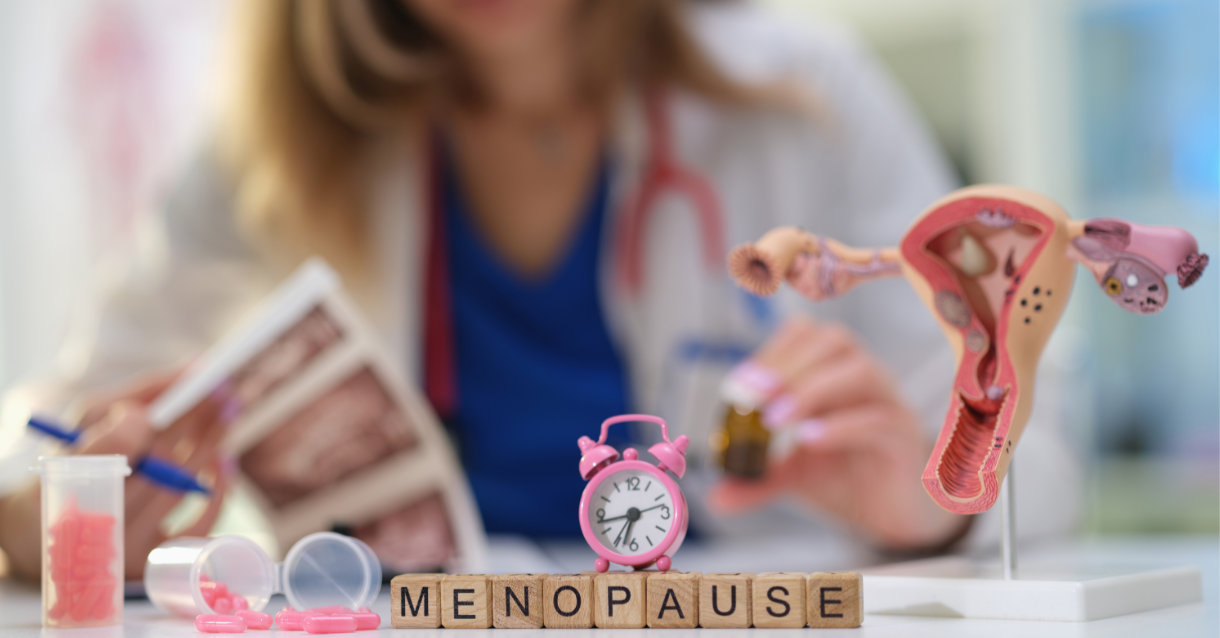 Here’s who can help and what they actually do for you, in plain language:
- Gynecologist / Menopause specialist — Treats medical causes (local estrogen, systemic hormone therapy, vaginal infections, atrophy). They can order labs and discuss risks/benefits of hormones. Multiple clinical reviews show vaginal estrogen helps dryness and pain for most people.
- Urogynecologist — For pelvic organ prolapse, severe urinary symptoms, or structural issues that make sex painful.
- Pelvic floor physical therapist — For tight or painful pelvic floor muscles, trigger points, and coordination problems. They use manual therapy, biofeedback, and home exercises. Randomized trials and clinical work support PT for reducing dyspareunia.
- Sex therapist (certified) — For desire mismatches, shame, trauma, or relationship-based sexual problems. Look for professionals listed with AASECT or similar certification — they actually know how to talk about erotic life without judgement.
- Sexual medicine physicians / endocrinologists — For complicated hormonal issues or when considering testosterone or other off-label treatments for libido (these require careful discussion of risks and benefits).
- Pharmacist or prescribing doctor — If you suspect SSRIs or other meds are muting your desire, these pros can suggest alternatives or dose adjustments.
How to find someone who won’t make you feel weird:
- Search directories: AASECT for sex therapists, local physical therapy directories for “pelvic floor” or “women’s health” PTs, and hospital sexual medicine clinics for physicians.
- Use search terms like “pelvic floor physical therapist near me,” “menopause sexual health clinic,” or “AASECT sex therapist + [your city].”
- Ask your gynecologist for specific referrals: a good doc already knows who in town treats sexual pain and menopausal libido issues well.
- Read profiles: look for providers who explicitly list “sexual pain,” “menopause,” or “pelvic floor” on their page. If a therapist’s profile mentions trauma-informed care and sex-positive language, that’s a huge plus.
- Call or email before booking: ask one short question — “Do you treat postmenopausal sexual pain/desire issues?” If the answer is “yes” and the tone isn’t evasive, you’ve probably found someone safe.
- Check telehealth options — many sex therapists and menopause specialists offer virtual visits, which can be less awkward for a first check-in.
Questions to ask your doctor (without the cringe)
- “Could my meds be affecting my libido?”
- “Is local vaginal estrogen a safe option for me?”
- “Can you refer me to a pelvic floor physical therapist?”
- “Do you have experience treating painful sex (dyspareunia) in postmenopausal people?”
- “Are there non-hormonal options we should try first?”
- “What are the pros and cons of testosterone or other sexual medicine options for libido?”
- “Can we run basic labs (thyroid, metabolic panel) to rule out other causes?”
- “Do you work with sex therapists or counselors if this is more relational?”
Say those out loud. They’re short. They’re direct. They get answers — and they save you from awkward guesswork.
Quick checklist: immediate wins you can try tonight
- Grab a good lube — water- or silicone-based depending on needs. Start slippery; stop the pain fast.
- Pick an easy, low-pressure position — spooning, you-on-top with control of depth/speed, or edge-of-the-bed so you can stop if it hurts.
- 10 minutes of solo play — explore what pressure and speed feel good now. Treat it like research, not performance.
- Plan one sexy, low-stress date — dinner, a slow massage, eye contact exercises; make anticipation the point.
- One honest sentence to your partner tonight: “Sex’s been uncomfortable for me — can we try something different and talk about it?”
- Try a vibrator — different sensation can teach your body what’s new and pleasurable.
- Cool the bedroom — if night sweats or poor sleep are wrecking desire, cooler sheets or a fan help more than you think.
- Check out resources and inspiration — if you want ideas for erotic material or couples’ porn, my directory has options: ThePornDude.vip
Final Permission: Menopause is a new, sexier chapter
“You’re not broken. You’ve just moved into a different, often sexier chapter.”
Look — hormones change the plumbing and the wiring, but that doesn’t mean the party’s over. With the right team, a little experimentation, and some honest talk, sex after menopause can be deeper, hotter, and more private than anything you had at 30. Get help when you need it. Learn your new body like it’s a new lover. And don’t be afraid to be demanding about pleasure — you’ve earned that.If you want a starting place for porn that doesn’t make you feel bad about your body or age, hit up my directory at ThePornDude.vip. Use it for ideas, not comparisons.Now go book that appointment, try one of the quick wins tonight, and report back — I want to hear the good stuff.