Ever get hit by one tiny detail and your body answers like it was called by name? That little snap — the creak of floorboards, a whisper of fabric, a look — is the real deal for a lot of people, and pretending it’s “weird” or chasing broad bullshit leaves you frustrated, ashamed, and stuck. I’ll show you how to spot those pinpoint triggers, test them without turning your bedroom into a circus, and talk about them so your partner actually gets it — no drama, no moralizing, just faster, cleaner wins in bed and way less second-guessing.

What Is a Micro-Kink?
Here’s the blunt version: a micro-kink is a very specific, narrowly focused sexual or sensual preference that lives inside a broader kink. Think of it like a laser beam instead of a floodlight. Where a broad kink is the whole category (foot fetish, latex, roleplay), a micro-kink is the exact pixel that actually makes you hard, wet, or humming with anticipation.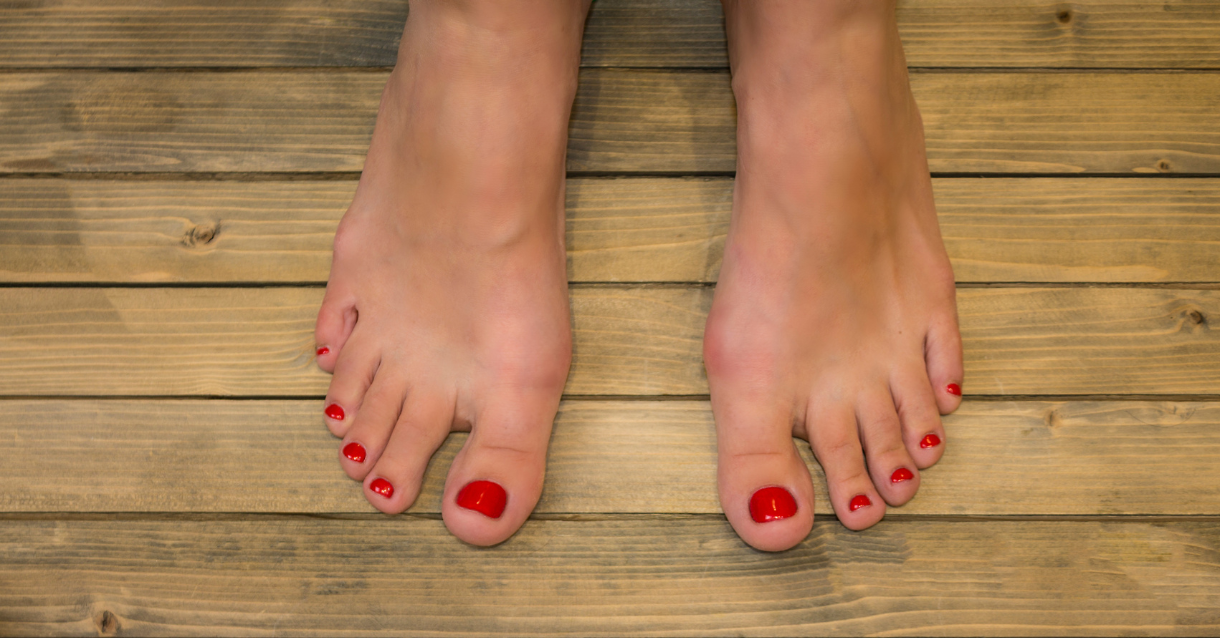 Short comparison line:
- Broad kink: the umbrella — “I like feet.”
- Micro-kink: the pinpoint — “I only get off on high arches wearing red polish while the floorboards creak.”
And before you start sweating it — this is way more common than the porn theatre makes it look. Research into sexual interests and fetishistic tendencies shows specific turn-ons are widespread. Most of us have odd, narrow preferences tucked into our sexual wiring. It’s not a moral failing. It’s not proof you’re damaged. It’s just part of how your brain maps pleasure.
What you’ll learn
If you stick with me through this, you’ll walk away with practical, usable stuff — not moralizing nonsense:
- How to spot the tiny triggers that consistently light you up.
- Why those tiny triggers form in the first place — simple brain-and-experience reasons, not scapegoats.
- How to start testing them safely, alone or with a partner, without turning your love life into a circus.
- How to talk about them without making things weird — language that actually helps.
- When a preference is healthy kink and when to reach out for help (if it’s causing distress or harm).
Why this matters
Getting clear about your micro-kinks does a few powerful things for your sex life:
- Clarity: You stop chasing a vague idea of “what turns me on” and start recognizing the exact buttons.
- Better sex: When you and a partner know the tiny triggers, scenes land harder and faster.
- No more shame: Naming something removes the weirdness. It’s harder to feel broken when you can say, “I like X.”
- Efficiency: Less fumbling, more fun — and fewer awkward trial-and-error sessions in bed.
Look, I’ve seen grown adults get sheepish over stuff that’s totally normal — the trick is to be specific without being dramatic. Ready to actually figure out what your tiny triggers are and use them to level up your sex life?In the next part I’ll show you how micro-kinks sit under the big umbrella of kinks and give you the simple test to tell whether that little urge is a true micro-kink or just a passing quirk. Want to know how to tell the difference? I’ll show you next.
Micro-Kinks vs. General Kinks: A Simple Comparison
Think of a general kink as a big umbrella — BDSM, feet, latex — broad, obvious, easy to name. A micro-kink is the pinhole in that umbrella: a tiny, specific thing inside the larger category that actually makes your engine fire.Big kink = vibe. Micro-kink = that one exact flicker that makes you go from interested to obsessed. That distinction matters because being specific lets you communicate exactly what you want, get better results in play, and stop wasting time chasing vague fantasies that don’t land.
“You don’t always crave the whole menu—sometimes it’s just one bite that changes everything.”
Concrete examples to make it real
- Feet → only the arches: not toes, not soles, just that curve under the ball of the foot.
- Latex → glossy gloves: the shine on gloves, the sound they make, not the full catsuit.
- Power play → one phrase: one sentence or nickname that flips the switch every time.
- Roleplay → the prop: it’s not the whole costume, it’s the crumpled nametag on a fake uniform.
- Voyeurism → a shadow: seeing a silhouette on the curtain, not full nudity.
Short. Weird. Specific. And perfectly valid.
How to spot a micro-kink in yourself
If you’re wondering whether something is just a passing curiosity or a micro-kink, look for these signs:
- Recurring mental images: the same tiny detail keeps popping into your head during fantasies or masturbation.
- Immediate physical response: you get aroused or noticeably excited from a tiny cue — a scent, a sound, a visual flicker.
- Disproportionate focus: the rest of the scene can be bland, but that one element turns everything up a notch.
- Preference shows up in choices: you actively seek out media or partners that include that micro element.
- It’s repeatable: the trigger works across different situations, not just once.
When a preference is just a quirk versus a kink
Not every odd preference is a kink. Here’s a quick rule of thumb I use:
- Quirk: occasional interest, no real search or need, no disruption to your sex life.
- Micro-kink: consistent arousal tied to the detail, repeated mental focus, and you find yourself adding it into play or media choices.
Two more practical tests:
- If it consistently raises your arousal level and you look for it, it’s probably a micro-kink.
- If it causes distress, gets in the way of relationships, or involves non-consensual harm, get help — clinical guidelines (like DSM-5 definitions) separate harmless paraphilias from disorders by focusing on distress, impairment, and harm.
There’s real science behind the specifics. Research on conditioned sexual responses shows that neutral cues can become sexual triggers if they’re paired with arousal enough times. That’s why a single sweater, a phrase, or a smell can become your personal shortcut to hotness.So, what makes that tiny thing so damn powerful? Want to know why these micro-kinks get wired into you — sometimes for life — and how the brain does it? Keep reading; I’ll break down the messy, fascinating reasons next.

Why Micro-Kinks Form
There’s nothing mystical about suddenly being wired to one tiny thing — a sound, a texture, a phrase — that flips the switch. Our brains are greedy pattern-matchers. Give them a repeat pairing of pleasure + detail and they’ll carve a shortcut to arousal faster than you can say “turn on the bedside lamp.” Below I’ll walk through the real-world reasons this happens, in plain language and with examples you can nod along to.

Sensory imprinting
Some things stick because of raw sensory power. Smell, touch, sight and sound are fast lanes to the limbic system — the part of the brain that handles emotion and sexual arousal. If a particular texture, perfume, or sound shows up at the moment you feel aroused enough times, your brain begins to treat that neutral cue like a lusty VIP.
- Example: you always got hot when someone wore glossy gloves in a scene you watched as a teenager. Later, gloves alone can trigger arousal because they were there at the high-emotion moment.
- Example: a certain cologne paired with cuddling becomes a scent shortcut to desire.
There’s actual lab work on this: classical sexual conditioning studies show that neutral stimuli paired repeatedly with erotic images or touch start to produce measurable sexual arousal on their own. Journals like Archives of Sexual Behavior and the Journal of Sex Research have published findings showing this isn’t just anecdote — it’s wiring.
Early associations
Not every imprint happens during a deliberate sexual moment. Sometimes it’s the background detail from a formative scene that later becomes erotic because of emotional weight. You weren’t necessarily thinking “this is sexy” at the time — your brain saved the package deal anyway.
- Example: the sound of rain on a motel roof during your first messy hookup later becomes a turn-on because it’s tied to intensity and excitement.
- Example: a teacher’s accent, a uniform trim, or even a phrase overheard during a charged moment can shift into sexual territory later on.
Those early pairings are subtle. They don’t need a dramatic trauma to stick — just a strong emotional backdrop does the trick. That’s why micro-kinks can feel oddly specific and a little embarrassing: their origin story often reads like “that one random night” rather than a neat psychological explanation.
Control, predictability and preference sharpening
Here’s the thing: precision feels safer. A broad kink is like loving spicy food. A micro-kink is loving a particular pepper sauce from one diner at 2 a.m. Knowing the exact trigger reduces uncertainty and ups the payoff.
- Predictability. When you know what works, you worry less about “what if it fails,” and you can relax into arousal faster.
- Intensity. A focused trigger concentrates your attention. That concentration amplifies sensation — a small cue can give a bigger hit than a general vibe.
- Identity sharpening. Having that narrow preference can feel like owning a secret taste that makes you, well, you.
Think of it like tuning a radio. Broad kinks are whole stations; micro-kinks are the exact frequency that comes in crystal-clear. The clearer the signal, the stronger the response.
When to be curious, not worried
Most micro-kinks are harmless and actually useful — they give you keys to better sex. But curiosity beats complacency. Watch for a few red flags that mean it’s time to check in with yourself or get help:
- Distress: The kink causes shame, anxiety, or ruins your relationships repeatedly.
- Compulsion: You feel uncontrollable urges tied to the kink that interfere with work, safety, or daily life.
- Harm: The kink requires non-consenting people, illegal acts, or puts someone in danger.
If none of those apply, treat it like a curious experiment: note the trigger, test it in low-stakes ways, and see how it fits your life. If it does cause distress, a kink-aware therapist or sex-positive clinician can help you sort things out without moralizing.
“The tiniest things can hold the deepest pull — that’s just how our wiring works.”
So what’s your tiny trigger? Is it a sound, a scent, a stitch of fabric? Want to learn how to bring it up with a partner without killing the mood — and how to actually test it in the bedroom like a pro? I’ll show you the exact words and the small experiments that work next. Ready to get into it?
Micro-Kinks and Identity: How They Fit Into Your Sexual Self
Little things light you up. That isn’t weakness or pathology — it’s personality, preference, a tiny fingerprint on your libido. Micro-kinks thread through who you are: they give texture to attraction, make intimacy feel personal, and can turn ordinary moments into electric ones. They don’t replace your sexual identity; they add detail to it. Think of them like a signature move: subtle, telling, and very much yours.
“The smallest cues often carry the heaviest charge — own the detail that makes you come alive.”
How to bring it up with a partner
Talking about a tiny, specific kink doesn’t need to be a dramatic reveal. Do it like you’d suggest a new restaurant — casually, clearly, and without pressure. Timing is everything: pick a moment when you both feel relaxed, not mid-heat or during a fight.
- Open with reassurance: “I want to share something that turns me on — it’s not a demand, just something I’d like to try.” That lowers defenses faster than preaching or apologizing.
- Describe the scene, not the label: Don’t lead with “I have a kink.” Say, “When your ankle bends like that it drives me wild,” or “A quick whisper of that phrase gets me in my head.” Concrete beats vague every time.
- Keep it short and curious: Try: “Can I try something for five minutes next time? If it feels weird, we’ll stop.” Small experiments make consent feel safe.
- Give them a role and an out: “If you’re into trying it, great — if not, no problem. I appreciate you hearing me out.”
Real sample scripts you can steal:
- “Hey, can I try a tiny thing during foreplay? If it’s awkward, we’ll drop it immediately.”
- “I get really into little rituals. Would you be open to wearing shiny gloves for part of a scene? We can keep it to five minutes.”
- “I have a specific turn-on with certain words. Mind if I test one line and you say ‘pause’ if it’s too much?”
Consent and boundaries—keep it safe
Consent isn’t one chat and done. It’s an ongoing, active process, especially with precise triggers that can hit hard. Set clear parameters up front and build in easy check-ins.
- Negotiate before you play: Agree what’s okay, what’s absolutely off-limits, and what “try it once” means.
- Use a safe-word and nonverbal signals: Pick a word for “stop now” and a milder cue for “slow down” (e.g., green/amber/red). For hands-bound or noisy scenes, use a finger tap or object-drop.
- Start tiny: Limit duration and intensity. Try a 3–5 minute scripted trial rather than going full throttle.
- Check in mid-scene: A quick “you good?” or a kiss-and-pause can prevent discomfort from snowballing.
- Debrief and aftercare: Ask what felt good, what didn’t, and how you both felt emotionally. Emotional safety is as important as physical.
Psych research on sexual conditioning shows that cues tied to safety and comfort are easier to experiment with — which is why slow, negotiated trials work. The brain needs predictable feedback to reassign intensity to a new stimulus.
Blending micro-kinks with broader play
You don’t have to make the micro-kink the whole show. The trick is peppering it into normal sex so it enhances, not hijacks, the experience.
- Treat it like seasoning: Add the tiny trigger during warm-up — an arch of the foot for five seconds during kissing, the whisper of a specific line in the middle of something else. It amplifies without monopolizing.
- Create a micro-ritual: A 30-second prelude (a touch, a phrase, a glove) signals your brain: this is the good stuff. Small rituals build anticipation and make the payoff stronger.
- Use cues as switches: A certain word or gesture can move the scene into “micro-kink mode” for a short stretch, then switch back. This keeps variety and prevents burn-out.
- Integrate into roles: If you both play power dynamics broadly, slip the specific phrase or posture you love into that role-play. It feels natural and less like a spotlighted oddity.
Concrete examples:
- If your micro-kink is “only the arch of the foot,” ask for a deliberate arch during oral as part of foreplay rather than making feet the main event.
- If glossy gloves are your thing, have your partner put them on for the first two minutes of contact, then remove them and continue normally.
- If a single command phrase turns you on, designate it as your prelude cue — use it once, then keep going with broader play.
Emotion matters here. When you frame a tiny preference as a playful addition rather than a confession, it reduces shame and makes your partner more likely to experiment. Studies on sexual communication show clear talk about likes and limits predicts higher sexual satisfaction — and trust me, nothing kills a vibe faster than guessing games.Want to actually try this without the awkwardness? In the next section I’ll give you step-by-step experiments — solo and with a partner — so you can test that micro-kink in real life without blowing anything up. Curious how to set up a five-minute test that tells you everything? Keep reading — I show you how.
Practical Ways to Explore Your Micro-Kinks
Alright — you’ve spotted that tiny spark. Now let’s test it without turning your life into a constant scavenger hunt. The aim here is simple: low-pressure experiments that tell you whether a detail really matters, how much it matters, and how to enjoy it without awkwardness or harm.
“Small things are often the loudest. Find the one that makes your pulse jump, then treat it like a science experiment — curious, careful, and a little playful.”
Self-exploration tips
Treat yourself like a lab subject with boundaries. You’re looking for repeatable signals: does this specific cue consistently light you up? Try these quick, private tests.
- Keep a short kink log. Date the entry, describe the cue (socks, voice phrase, glove gloss), your reaction (mental, physical), and rate arousal 1–10. After two weeks patterns start to show.
- The controlled sensory test. Make a checklist of tiny variables (texture, smell, color, sound). Test one at a time. Example: if you think “latex” is it the smell or the shine? Try a latex glove (no smell), then a glossy vinyl sleeve. Note which one causes the real reaction.
- Solo-play experiments. Turn masturbation into targeted research. Use imagery or props that isolate the element—only the socks, only the phrase whispered into a pillow, only the heel clicking. Time each session and note what makes you linger vs. what’s background noise.
- Masturbatory conditioning (done safely). Pair the specific cue with orgasm repeatedly over several sessions. Research on sexual conditioning shows neutral things can become erotic when reliably paired with arousal — so test it, but stop if it feels compulsive.
- Create a “one-variable” fantasy playlist. Curate porn or written erotica that emphasizes one tiny trigger. See whether your heart rate and focus lock in on that detail.
- Rate intensity and context. Some micro-kinks only work in certain moods. Log whether stress, alcohol, time of day, or companionship changes the effect.
Setting up safe scenes with a partner
Want to bring someone else into the experiment? Do it like a pro: scripted, safe, short, and followed by debrief. Here’s a no-bs blueprint you can use that keeps the vibe hot without wrecking trust.
- One-minute pitch. Tell them the tiny preference in a sentence: “I get off on glossy gloves — can we test something quick?” Keep it clear and non-demanding.
- Agree rules before you start. Time limit (10–20 minutes), hard stop word (choose one they won’t say accidentally), and a simple “scale check” after: 1 = nope, 5 = meh, 10 = holy shit.
- Start with a scripted trial. Example script for a 15-minute test: partner wears a single glossy glove, kneels, and traces the side of your foot while whispering one agreed phrase. You use the safeword if needed. Afterward both of you sit, sip water, and answer three quick debriefs: what worked, what didn’t, would you change the intensity?
- Prototype it like a product. Two short runs, small adjustments, then decide whether to fold it into regular play.
- Aftercare matters. Even tiny scenes can stir feelings. A cuddle, a chat about boundaries, or five minutes of neutral activity (watching TV, making tea) helps reset and keeps trust intact.
- Respect privacy and safety. Don’t pressure for photos, public play, or escalation. Keep tests in private and consensual territory — especially with anything that could be illegal or dangerous.
Here are two real, simple test templates you can copy:
- The “Arch Test” (10–15 mins): One partner sits, other focuses only on the arch of the foot — touching, kissing, praising the arch. No other stimulation. Debrief: did the arch alone do the trick?
- The “Whisper-Glove Combo” (15 mins): Partner wears one glossy glove and repeats a two-word phrase you both approve. Measure arousal on a scale. Repeat if desired. If it ramps, you’ve isolated a combo micro-kink.
When to seek outside help
Most of this stays harmless and fun, but there are times you should get professional backup. Don’t wait if any of the following show up:
- It causes persistent shame, anxiety, or depression.
- You feel compelled to act on it in ways that risk your job, relationships, or legal standing.
- It’s interfering with daily life — you’re preoccupied to the point of neglecting responsibilities.
- You have urges that could harm someone or yourself.
If any of the above rings true, look for a kink-aware, sex-positive therapist. Good options often use cognitive-behavioral techniques for habit control, and trauma-informed approaches (like EMDR) if the kink links to past harm. Check for clinicians who explicitly list sexual-health or kink competence in their profiles — professional directories and local sex-therapy networks are a good start.Curious about how to handle it when a partner drops a surprising micro-kink on you — and how to stay supportive without losing your groove? I’ll walk you through exactly what to say, what to try, and what to avoid next. Want that? Keep reading.
If Your Partner Has a Micro-Kink: How to Respond
Someone you care about tells you a tiny, oddly specific thing turns them on. Your brain might do a double-take: surprise, curiosity, a little excitement, maybe a twinge of alarm. That’s normal. How you react in that first minute sets the tone for everything that follows—trust, play, and how often you’ll hear about it again.
“Sometimes the tiniest switch flips the whole damn room on.”

Do: Listen, ask, try small
- Stay calm and curious. Your face and tone matter more than your words. A neutral, interested vibe says you’re safe to confide in.
- Ask simple, open questions. “What exactly about that gets you going?” “When did you first notice it?” “How would you like us to try it?” Short, followable questions help them explain without feeling exposed.
- Validate, don’t analyze. Something like “Thanks for telling me—honest stuff like that matters” is better than psychoanalyzing them on the spot.
- Propose a tiny, time-limited test. Suggest a 3–5 minute trial. “Let’s try this for five minutes tonight and see how it feels. We can stop anytime.” Low stakes = low pressure = honest feedback.
- Use scripting for the first time. Agree on a short script or action so nobody has to improvise. Scripts reduce anxiety and make the kink easier to perform.
- Give positive feedback. If it worked, say what you liked. Specific praise (“That whisper was hot” or “I dug that glove on you”) reinforces good feelings and makes repeat play more likely.
- Set simple safety signals. A safe word or a non-verbal cue keeps things secure, especially if the micro-kink involves role or sensation that could be intense.
- Remember research-backed truth: couples who communicate specifically about desires report higher sexual satisfaction. So talking and trying actually helps your sex life, not hurts it.
Don’t: Shame, force, or blow it up
- Don’t mock or joke it away. Laughing at someone’s preference isn’t playful—it’s shaming. That kills trust and shuts down future honesty.
- Don’t pressure or demand participation. Never make it an ultimatum. “Do this or else” breaks brains and beds alike.
- Don’t over-explore immediately. No need to psychoanalyze the origin in front of them. If you’re worried about trauma or red flags, suggest talking privately with a kink-aware therapist—not grilling them in bed.
- Don’t turn it into performance theater. Making it the only thing you focus on or the centerpiece of every encounter strips it of intimacy and turns it into a checklist.
- Don’t snoop. Going through their phone or history to “find answers” is invasive and will destroy trust faster than anything else.
Creative, low-effort ways to play
Want to honor the micro-kink without rearranging your whole life? Try micro-acts: tiny, easy things that trigger and build intimacy without drama.
- The single prop trick: One glove, one scarf, one pair of socks—use it for one scene and put it away afterward.
- Five-minute experiments: Set a timer, try the trigger, debrief for two minutes. Quick data, no pressure.
- One-line script: A whispered phrase or a specific word can be the whole scene. “Say this and I’ll do that.”
- Texture test: Use a feather, leather, or silk only on a tiny, agreed spot—no full scene required.
- Scent cue: A particular cologne or candle for when play’s allowed. Smell is a powerful micro-trigger.
- Ritual note: Leave a sticky note in their jacket pocket with that phrase or instruction—builds anticipation without stagecraft.
- Clothes-as-trigger: Wear (or remove) one specific item during foreplay. It’s subtle and repeatable.
- Reverse role-lite: One short line of role-play—no costumes, just a tone and a phrase—keeps it simple and sexy.
- Food micro-play: One bite of something (strawberry, chocolate) done in a particular way can be enough to test the trigger.
- Sound cue: A short audio clip or whisper in their ear—very low effort, surprisingly effective.
Make these experiments boringly safe: agree beforehand, keep them short, and debrief afterward. Ask two quick questions after each test: “What did you like?” and “What should we change?” That level of structured feedback is golden.Feeling unsure about whether to try things at all? That’s normal. You don’t need to be an expert actor—just be present, curious, and respectful. If you want a hardline sign to watch for: if the reaction is shameful, compulsive, or harmful, stop and talk to a professional. If it’s playful, consensual, and makes you both smile, it’s worth a few experiments.Curious whether that tiny turn-on is weird, risky, or just another flavor of desire? Keep reading—I’m about to bust the myths that make people panic and tell you what really matters when it comes to micro-kinks. Want the short answer now, or should I rip the band-aid off in the next section?
Common Concerns and Myths About Micro-Kinks
People freak out about tiny turn-ons like they’re signs of moral collapse. I get it — those first awkward thoughts can feel like a siren. Let me calm the noise and hit the myths with straight talk so you can stop panicking and start experimenting.
“If a little thing turns you on, that doesn’t mean something’s wrong with you — it means you’re human and specific.”
Myth: Micro-kinks are inherently unhealthy
Reality: most micro-kinks are perfectly harmless as long as they’re consensual and not compulsive.
- What “unhealthy” actually looks like: distress, compulsive behavior that damages your life, or urges that hurt others. Those are real red flags — not the fact that you like a certain texture or word.
- Example: Loving the feel of silk gloves during sex is not sick. Obsessively needing that exact glove every time you have sex (to the point you avoid connection without it) is when you should check in.
- Research note: Large surveys and reviews in sex research journals show specific sexual interests are common across the population — rarity ≠ pathology.
Myth: They always mean past trauma
Reality: trauma can be one source, but it isn’t the default explanation. Human sexuality is messy; associations form in tons of ways.
- How micro-kinks can form: sensory imprinting (a smell or texture at a formative moment), funny coincidences, cultural exposure, or simple curiosity that stuck.
- Example: A gamer who got a crush on a character wearing a watch might later find watches arousing — that doesn’t scream trauma, it screams imprinting.
- What studies say: Research finds mixed links between sexual interests and past abuse — some people with kinks have trauma histories, many do not. You can’t assume one from the other.
Myth: You must act on every kink all the time
Reality: preferences are part of a bigger sexual palette. Wanting a tiny trigger sometimes doesn’t mean you need to make it your whole identity.
- Balance is the sexy move: Mix and match. Use a micro-kink to spice things up, not as the only ingredient in every encounter.
- Example: If whispering a particular phrase flips your switch, sprinkle it into foreplay instead of making it the entire script every time — variety keeps desire fresh.
- Practical tip: Treat a micro-kink like a cheat code you pull out strategically, not the only key on the keyboard.
Quick emotional check — why these myths stick
Shame loves a vacuum. When you don’t talk about an odd preference, your head fills in the worst-case scenarios. Fear turns curiosity into secrecy, and secrecy turns a tiny thing into a giant problem.If you feel panic or guilt, ask two questions instead:
- Is this preference hurting me or anyone else?
- Is it interfering with my ability to have a healthy sex life?
If the answer to both is “no,” you’re almost certainly fine to explore. If it’s “yes” to either, a kink-aware clinician can help you sort it out without judgment.
Real sample reactions and what to do
- Partner laughs at your admission: Pause them. Say, “That reaction makes me feel small — can you try being curious?” If they refuse, that tells you more about them than about you.
- You feel ashamed after a fantasy: Journal the scene. Often, naming the detail reduces its power and turns shame into a tool for learning.
- You worry the kink will ruin your relationship: Start tiny. Test it in low-stakes ways and debrief. Most partners adapt if you present it as a preference and show care for consent.
Want a quick checklist to separate harmless preference from a problem? I’ll give you exact signs and a short test in the next section — including the words to say to a partner that keep things hot instead of awkward. Ready to learn how to bring this up without blowing the mood?
Wrap-Up: Own It, Communicate It, Enjoy It
Alright — here’s the tidy, no-bullshit finish. Micro-kinks aren’t some weird quirk you need to bury. They’re tiny, reliable sparks you can use to make sex better for you and your partner. Treat them like tools, not secrets. Notice them, name them, and then decide what role you want them to play in your sex life.These little triggers are normal, common, and — most importantly — usable. Science on conditioned sexual arousal and sensory imprinting supports what your bedroom already knows: small cues can become powerful turn-ons. That doesn’t mean you’re broken. It means you’re specific. Embrace it.
Next steps for readers
- Notice patterns: Keep a simple “turn-on log” for a week — three lines after each session or fantasy noting the exact detail that got you going.
- Try one tiny experiment: Pick a low-risk trigger (a sound, a texture, a word) and fold it into solo play or a short scene. See if it amps you up. No pressure, no performance — treat it like science, not a sex Olympics.
- Tell a trusted partner: Use “I” language and frame it as a preference. “I really like when…” is way sexier than “You must…”
- Set safety rules: Start small, agree on a safeword or signal, and plan a five-minute debrief after trying something new.
- Journal results: Note what worked, what felt odd, and whether you want to repeat or tweak it. Patterns will emerge fast if you pay attention.
Where to look for more guidance
If you want to get better at this, steer toward sex-positive books, kink-aware therapists, and supportive communities. Look for professionals who list “kink-aware” on their profiles, join forums where consent is taken seriously, and read up on sexual-response research so you can talk about your preferences without shame.And hey — if you want a place to find sites, tools, and ideas to play with, check out my directory at ThePornDude. I’ve got a pile of options to help you prototype experiments and find inspiration.
Conclusion
Small details. Big payoff.
Don’t overcomplicate this. You don’t need to reinvent your whole sex life to enjoy a micro-kink. Notice a pattern, run one small test, talk it through with your partner, and keep it consensual and safe. Most of all: don’t be ashamed. The weird little thing that flicks your switch is part of what makes you you — and that’s worth celebrating.Go try one tiny experiment tonight. It could be as dumb-simple as a different sock, a single whispered line, or a texture you hadn’t paid attention to. Keep it chill, check in, and enjoy the ride.I’m PornDude — now go play.